






DHS to restart visas for seasonal workers
The Department of Homeland Security late Tuesday announced it will restart processing H-2B visas for temporary seasonal workers.
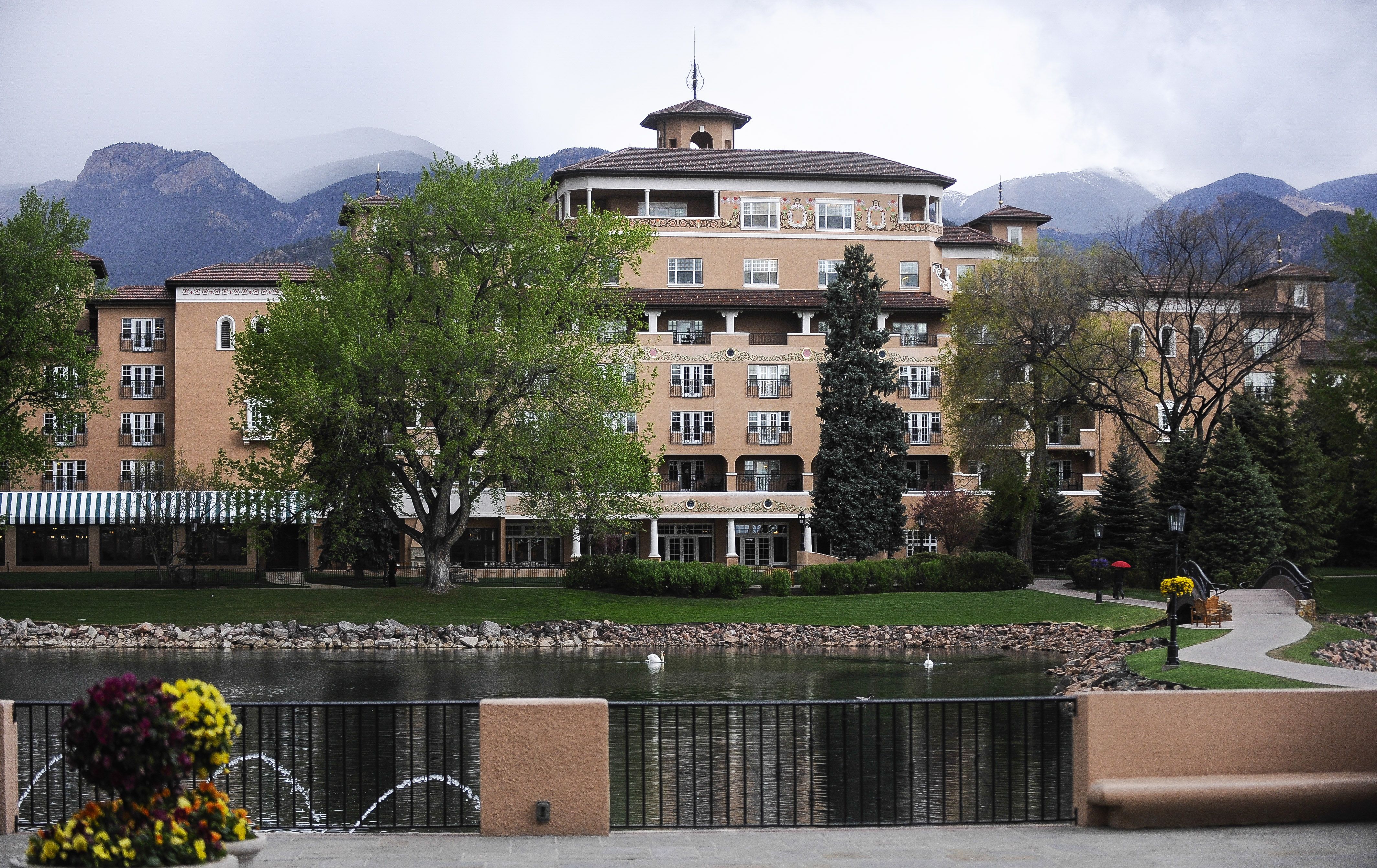
The move has allowed The Broadmoor hotel to begin making arrangements to have workers hired under the program start next month, said Jack Damioli, the resort’s president and CEO.
“I am very encouraged with the progress we have made, but we are not out of the woods yet,” Damioli said Wednesday. “We are not done yet, but have made amazing progress in a week. We are very appreciative of the efforts of our two senators and congressman.”
A landscaping industry spokeswoman in Colorado was hopeful Tuesday that foreign workers would soon get visas under the program to work in Colorado.
“It looks as if visa requests will be processed for those employers who have received their labor certifications,” said Kristen Fefes, executive director of the Associated Landscape Contractors of Colorado.
Fefes said a “decent” number of the group’s members seeking visas had obtained certifications and were just waiting for their hires to get fingerprinted and receive their visas.
Homeland Security froze the visa program this month after the U.S. District Court of Northern Florida ruled that the Department of Labor didn’t have authority to make rules for the program.
Homeland Security had relied on the labor department to advise it on issues such as what kind of recruitment efforts visa applicants needed to undertake to show they couldn’t find local workers and what wages they needed to pay.
On Monday, the labor department asked the court to stay its ruling until April 15, a motion that wasn’t opposed. That will give DHS a narrow window to push through the thousands of H-2B visas now in limbo.
Employers across the country were counting on the visas going out so they could begin to bring in temporary workers from abroad starting next month.
Employers in Colorado draw the second-largest number of H-2B workers, after Texas. Landscapers are the heaviest users of the program, but hotels and tourist attractions, including ski resorts, also depend on the program.
More than 2,000 H-2B visas were in process for workers slated to come to Colorado, and their absence would have left a huge hole in staffing plans.
