






The opponents of fracking, Keystone Pipeline hurt poor
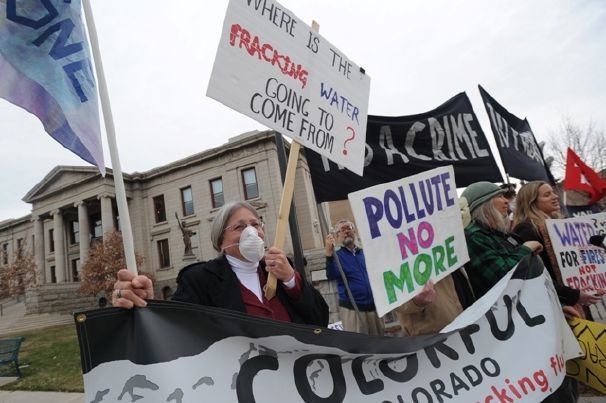
Gas prices dropped to $1.55 a gallon Monday in parts of Colorado Springs, continuing a much-needed and long-overdue break for average consumers. None benefit more than the working poor. Spending less than half as much on fuel as a year ago, they have more money for food, shelter, clothing and entertainment.
It’s not the result of price controls, which proved in the 1970s to cause production shutdowns, gas lines and rationing. It’s not because President Barack Obama, the Democrats or Republicans waved a magic wand in an act of benevolence.
It’s because of good old American fracking, in which oil tycoons invested money in pursuit of profits. Domestic production created abundance, which reduced the price of fuel. Threatened by declining fuel prices, Saudi Arabia began flooding the market with oil in an effort to drive prices so low American producers might go bust and shut down wells. At some point, this gravy train will come to a halt and prices will rise.
Commodities prices constantly rise and fall, despite societal needs for stability. In all matters of consumption – whether it’s health care, food, water, shelter, transportation, entertainment or clothing – sustainable abundance favors stability. More of any desirable good, service or commodity means a reduction in poverty and an overall elevation of the human condition.
Yet, fracking remains under attack. Not just by Middle East interests that want to shut down our domestic supply. That’s to be expected.
What’s shocking is the assault from left-of-center politicians and activists who speak incessantly about wanting better lives for the middle class and poor. Just as Saudi leaders would harm domestic production, so would those who push for larger setback requirements, municipal fracking bans and other regulatory obstructions aimed at an industry that’s in the fight of its life.
A new study by Colorado University’s Leeds School of Business found a 2,000-foot setback, which anti-fracking activists insist on, would result in nearly 50,000 fewer jobs in Colorado between 2015 and 2040 as a result of production shutdowns. The setback would cause Colorado’s GDP to decline by as much as $6.4 billion annually. Personal income would decline by as much as $4.4 billion annually in that same period.
“A 2000-foot setback would significantly impact Colorado’s families,” said Earl Wright, chairman of the Board at Common Sense Policy Roundtable. “The study suggests that an average family of four could lose $3,344 of income annually.
Most advocates of proposed new setbacks and municipal fracking bans also want to stop the Keystone XL Pipeline – with the support of Obama, a self-professed advocate of economic equality. The pipeline would help efficiently move Canadian and domestic oil onto the world market, hedging against Saudi Arabia’s desire to control production and supply.
Fracking, more than all other factors, has moved this economy out of economic recession and made life better for the middle class and poor. It produces enough natural gas to marginalize the future of coal – a fuel source demonized by the same environmental community that despises fracking. It moves us closer to independence from foreign oil and the wars that go with it.
The big threat to economic justice, peace and the environment doesn’t come from Big Oil. It comes from those who would stop North America’s march toward energy abundance, taking the largest toll on those who have the least. Ask them to stop holding down the poor.
