






Year-Round Gardening: Ornamental grasses add interest to yard
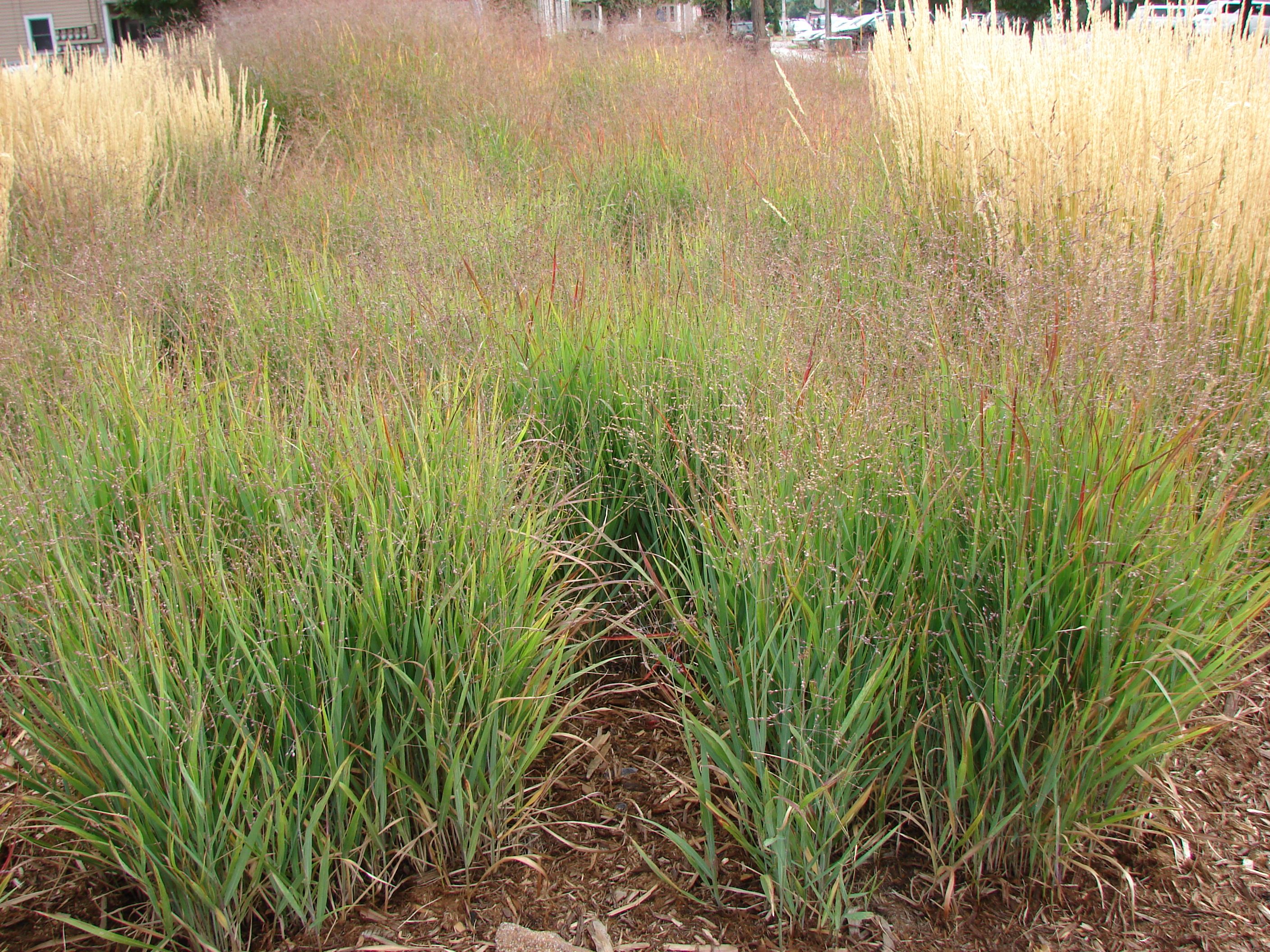
In the Pikes Peak region, autumn brings striking displays of large ornamental grasses, which “flower” late in the growing season.
Such grasses are a useful tool for xeriscape gardens – their slender leaves offer a pleasing complement to perennial flowers. Local gardeners tend to use them successfully in a dry corner of the yard, and more and more commercial landscapes are being designed with dramatic displays of large clusters of ornamental grasses.
Ornamental grasses come in a wide variety of sizes and colors. They are deer-resistant, provide winter interestto gardens and dance with the wind, catching the eye with their movement.
Some are drought tolerant, but many flourish with extra water.
The popular – almost ubiquitous – Karl Foerster feather reed grass has become a staple in landscape design because it is so dependable, given enough water, with golden plumes that stand up like soldiers.
When buying plants, be sure they can survive our winter temperatures. We’d love to grow the huge pampas grass here, but it is too tender. Ravenna grass (Saccharum ravennae) is a good alternative.
Little bluestem is a mounding grass that is great for borders, only growing 5 inches tall. Its big brother, big bluestem, has leaves that grow a foot tall, with delicate blooms another 2 feet higher. Both have blue-gray leaf blades.
Slender blue sedge (Carex flacca) is a superb turf alternative for dry shade, as is Northern sea oats (Chasmanthium latifolium). Switchgrass (Panicum virgatum) is a midheight native grass (read: low water) with delicate, airy flower panicles.
Korean feather reed grass (Calamagrostis brachytricha) is a good choice for places where you do not have full sun. It will tolerate shade and still produce good color and vigor.
Here are some tips for your own ornamental grass garden:
Planting: It is best to plant ornamental grasses in spring; most do best in full sun. They will establish better if you augment existing soil with compost-rich soil and give them supplemental water the first year and each winter. Local, independent nurseries are a great source for unusual varieties that will thrive in your location.
High water needs: Feather reed grass (Calamagrostis acutiflora), including the sturdy Karl Foerster, red fountain grass (Pennisetum setaceum) and the beloved maiden grass (Miscanthus Sinensis), all require supplemental water.
Low water needs: Big bluestem (Andropogon gerardii)and Sideoats grama (Bouteloua curtipendua) are among ornamental grasses that need very little supplemental water once established.
Maintenance: Ornamental grasses need no supplemental fertilizer. Let their leaf blades remain during winter for “winter interest” and they will delight you when snow gathers around their base. Do cut the leaf blades back to the ground in March, before the new leaves start to grow. Wildlife may nibble the green leaves in early spring, but will avoid ornamental grass the rest of the year.
Dividing: This can be done when the clump has grown too large or when the center dies out. Cool season grasses can be divided now: blue oat grass, blue fescue, Karl Foerster and feather reed grass. Divide warm season grasses in spring: Miscanthus, switchgrass, Pennisetum, big and little bluestem.
First, cut back the foliage to 4-6 inches, then dig the entire clump out of the ground. Using a sharp blade, cut the core completely in quarters, ensuring each part has healthy roots. Replant immediately, mulch and water.
Ornamental grasses add texture and interest to your garden year-round. As a bonus, they are wonderful in an autumn bouquet or dry flower arrangement.
For more information, please go to the Colorado State University Extension Website’s fact sheet www.ext.colostate.edu/pubs/garden/07232.html.