






Camping in comfort possible thanks to planning
bodu9
As the joke goes, camping is the art of getting back to nature and as far as possible from the things invented to make nature more tenable. You know, stuff such as antibiotics and lumbar support.
But for many, time spent “roughing it” offers something of a panacea, revitalizing the body and spirit. With some forethought and realistic expectations about re-creating an ad hoc living space in the wilderness, roughing it needn’t be too rough on either.
The key to safe and “comfortable” camping is knowing what to expect and how to respond; pack (or leave behind) accordingly.
“There’s very little stuff in this shop that you absolutely need, except for maybe a first aid kit if you’re bleeding at the moment. A lot of this stuff is not so much an imperative to have, but it makes the experience more comfortable and enjoyable,” said Matt Chmielarczyk, manager at Mountain Chalet, an independent backcountry specialty shop in Colorado Springs since 1968. “The analogy I use is (naturalist) John Muir did it with a crust of bread in his pocket, without a lot of high tech gear. He had the knowledge to understand what he might experience and the mentality to prepare for it.”
That’s not to say gear isn’t important. Mountain Chalet caters to both minimalist campers as well as those who like to indulge in the latest gadgets.
“In our shop, the best thing we do for our customers is not just provide them with the most technologically advanced gear available, but let them know where that gear sits in the context of their adventure,” Chmielarczyk said.
Here are some tips for making the most of limited luxuries and the least of the potential pitfalls when camping:
Sleeping
Forgoing a comfortable mattress for a sleeping bag might not sound appealing, but there are ways to lessen the negative aspects. Driving to a campground versus hiking in means you can stuff your vehicle with provisions – including a tent you can stand in for maximum comfort.
The taller the entrance to your tent, the less it affects your back. Then make sure to have a self-inflating mattress, such as a Therm-a-Rest, or an air mattress you can inflate with a pump. Slip it under your sleeping bag to avoid sleepless nights. Another option is a collapsible camp cot.
Unplugging
These days some commercially operated campgrounds offer online access. But if you’re heading to wilderness-type parks, depending on location, you might not have cellphone service.
Packing a portable battery pack is a good idea, but only to make sure your phone is charged enough to take photos during hikes. Channel the great naturalist Henry David Thoreau and remember that the Internet still will be there later. Play cards, eat, drink, breathe in fresh air, hike, build a campfire and enjoy the company of others – in person instead of online.
Critters
You love food, and so do animals, including squirrels and bears, whose sense of smell overshadows ours and who might find your fragrant dinner supplies irresistible.
Never leave trash, toiletries, dirty dishes, food or drinks unattended. Don’t leave trash and open containers in your car or around the campsite. Keep your tent zipped, and keep in mind that bugs and birds enjoy nibbling on half-eaten peanut butter sandwiches, so don’t give them the chance.
As for ticks and mosquitoes, insect repellent works. For major bug phobias or when biting insects are thick, outdoor supply stores and websites sell inexpensive, lightweight mesh jackets that you can zip yourself into – including your hands and face if needed.
Bathrooms and electricity
You can live without electricity, a full-length mirror and private bathrooms without sacrificing hygiene or general spiffiness. Most developed tent campgrounds you can drive to have communal bathrooms with running drinking water, sinks and showers, but check in advance. Then strap on a floppy hat and embrace a wind-swept, natural look.
Meals
Leaving your smoothie blender home doesn’t mean you can’t have delicious food while camping.
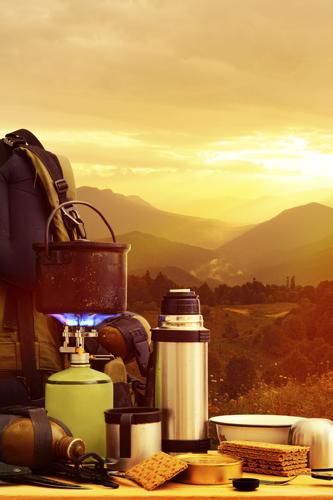
Get a decent sized cooler that can keep your food cold for a few days before the ice needs to be changed out, and a small basin to wash dishes. Bring a propane gas-powered camp stove with one or two burners. In campgrounds with grills, you can fire-roast anything from portobello mushrooms to zucchini.
