






Bedtime in style: Optimizing space in your home
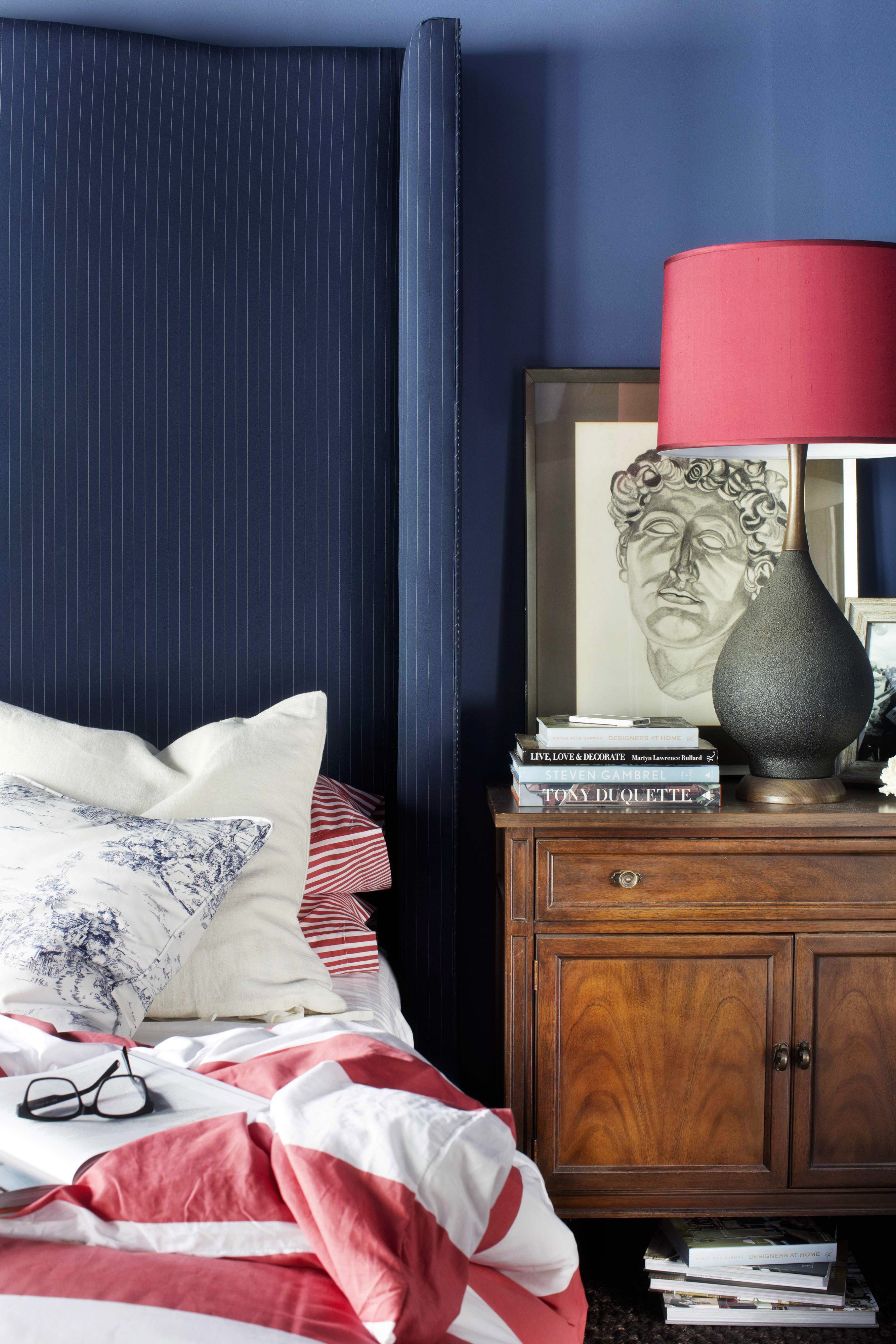
We’re told a well-designed master bedroom should be an oasis of romantic calm. It’s also supposed to be the practical place where you store clothing and get a good night’s sleep, and it may also be where you watch television, pay bills and even set up a home office.
That’s a lot to ask of a single room.
On the bright side, says interior designer Brian Patrick Flynn, you have plenty of decorating freedom. “Since bedrooms are all about self-expression and comforts,” he says, “you can break the rules as much as you want.”
We’ve asked Flynn, founder of Flynnside Out Productions, and two other design experts – Betsy Burnham of Burnham Design and Molly Luetkemeyer of M. Design Interiors – for tips on breaking those rules with style to create the ultimate master bedroom.
Only the calmest colors
Forget trendy shades or your favorite bright colors. Burnham advises sticking to a soothing palette of ivory and white, evoking a luxury hotel room. “You can layer color into that if you want to,” she says.
If your idea of peace and quiet involves deeper colors, Flynn suggests navy blues or black-brown tones.
And if you really want bolder color or patterns, Luetkemeyer recommends using a single pattern throughout your bedroom. This “en suite” look involves using the same fabric for curtains and bedspread, and even covering the walls in the same pattern.
“Even a busy pattern won’t feel too chaotic if you’re consistent” in using it throughout the room, she says.
Big beds in small rooms
Think your medium-size or small bedroom can’t handle a gorgeous four-poster bed? Burnham says a bed like that can serve as “a statement piece” that brings lots of style. It actually frees up space, because you won’t need any extra, decorative pieces of furniture for pizazz.
Flynn agrees, as long as the bedroom isn’t extremely small and the nightstands are in proportion. One of his pet peeves is a large bed flanked by tiny tables, which can make the tables look like they belong in a dollhouse.
Soften everything
These designers are seeing a trend toward upholstered beds and headboards, and even upholstery fabric used on walls.
“It’s this idea that you’re being completely cocooned and buffered from the world,” Luetkemeyer says.
With softness in mind, Flynn suggests using more than one layer of window treatment: “I usually layer blackout shades with custom, pleated drapery panels,” he says. “This softens the hard edges of the room, helps with noise control and also allows the homeowner to sleep in as late as they want.”
Skip nightstands
Flynn suggests using 30- inch-tall dressers or chests instead of traditional nightstands: “I’ll hit up flea markets and find two different chests with very similar proportions,” he says, using these less expensive pieces to flank a more expensive custom headboard or platform bed.
Luetkemeyer agrees that closed storage at bedside is a wise move for most people. It keeps necessities handy, but hides clutter to make your sleeping area look organized even when it isn’t.
Pendants and sconces instead
of table lamps
Chandeliers are often used in dining rooms and entryways to add glamour and drama. Flynn’s tip? They “work just as well in bedrooms.”
“I often install pendant lights over nightstands instead of using table lamps,” he says, “especially if the headboard is tall and dramatic. Whenever possible, I try to use sculptural pendants, which introduce interesting shapes to the room, and I always, 100 percent of the time, install them on dimmers.”
Designer Brian Patrick Flynn often installs pendant lights beside beds, directly above chests or nightstands, rather than using table lamps. Flynn suggests this helps anchor tall headboards, frees useable surface space and introduces interesting shapes into a room. And Flynn insists on installing all lighting fixtures on dimmers, allowing restful spaces to feel moody and sexy.
This photo provided by Brian Patrick Flynn shows a bedroom designed by Flynn and featured on HGTV.com that demonstrates the designer’s use of hefty chests and dressers next to beds rather than small night stands. Flynn suggests chests as an alternative due to their scale, especially in bedrooms with tall headboards. (AP Photo/Brian Patrick Flynn/HGTV.COM, Sarah Dorio)
This photo provided by Brian Patrick Flynn shows a four poster bed in a master bedroom designed by the interior designer Flynn. Flynn says that four poster beds, while beloved by many homeowners, are tricky to get right. Before falling in love with the idea, it’s imperative to first ensure there’s at least 56 inches of space left in front of the bed for proper traffic flow and a possible TV console, and also be sure there’s enough room along the back wall for at least one 30″ tall by 42″ wide chest of drawers rather than small scale night stands which look disproportionate next to a four poster bed. (AP Photo/Brian Patrick Flynn, Zeke Ruelas)