






Peak View CEO facing high demand
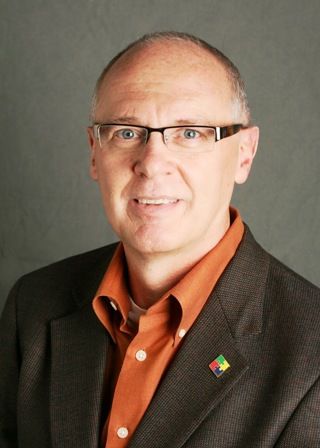
With the doors to the region’s newest behavioral health hospital open for only about two months, Peak View Behavioral Health CEO Gary Miller is finding his biggest challenge is keeping up with demand.
In June, Peak View moved into a new, $13 million, 92-bed, 56,000-square-foot facility at 7353 Sisters Grove, next door to the St. Francis Medical Center.
The hospital is owned by Strategic Behavioral Health LLC, a national company based in Memphis that operates five behavioral health hospitals around the country. Strategic Behavioral Health opened Peak View (peakviewbh.com) in 2009 at a location on University Way, at that time focusing patients 55 and older with acute mental health problems. The new facility allows Peak View to also serve adults and adolescents while increasing its capacity for geriatric patients.
Miller, 55, began working in behavioral health while serving in the Air Force, then continued in the industry, working at several adolescent treatment facilities before coming to Peak View a year ago to pave the way for the new hospital.
“Startups are exciting,” Miller said of the new hospital. “They’re always challenging, but they’re exciting.”
Miller spoke with The Gazette about Peak View and the need for behavioral health treatment in this area.
Question: Is the hospital completely open now?
Answer: We are still doing the phased-in approach. We’ve got two geriatric units open for a total of 32 beds. We have a military and veterans specific unit open. We’ve got our general adult unit open. In about a month, we’ll have our electro-convulsive therapy up and running for both in-patient and out-patient. Hopefully, this fall we’ll get our adolescent unit open. Our outpatient program that serves adults of all ages is also up and running.
Q: How many people does Peak View employ?
A: We have nearly 200 employees now. We’ll have about 250 when we’re completely open.
Q: Have there been any bumps in the road as you’ve opened the doors?
A: Knock on wood, it’s been pretty smooth sailing. The behavioral health community has been very gracious with us and working with us.
Q: How much demand has there been for your services so far?
A: We knew that there would be a great demand, but we have been somewhat taken aback by the demand. We’ve been challenged to stay to our gradual ramp-up. We’re averaging 30 referrals a day — obviously, we don’t have that capacity yet.
Once word got out, we literally have been getting referrals from all across the state. We prioritize El Paso County residents, because we want to be a local resource. It’s a balancing act. You hate to say ‘No,’ especially to people in crisis, and from a business perspective, you’ve got to watch how many times you say, ‘No,’ because at some point, people will stop calling.
Q: Do you foresee expanding or changing your mix of services to meet the local need?
A: The hospital is designed in a way that we can customize the units to meet the demand. It will take us a while to really get a feel for what the needs of the community are. I think it will take a year for us to really figure out how to meet that capacity need.
What we saw was that when we first moved into Colorado Springs three years ago, there were zero geriatric psychiatric beds here in town. Typically a metro area the size of Colorado Springs would at least have 300 to 400 inpatient acute psychiatric beds available. In general, the area is severely underbeded when it comes to in-patient behavioral health care.
Q: Aren’t many psychiatric patients low-income or indigent? Is that a challenge when you’re trying to get paid for your services?
A: We’re aware that there will be unfunded patients, patients who lack insurance coverage. We’ve built that into our business model. We expect that those people will present at our hospital, or present at the emergency room. We’ve been meeting with the hospitals.
Q: Where do most of your patients come from?
A: In the past three years that we’ve operated as a geriatric facility, probably 60 to 70 percent of our referrals have come from the emergency rooms in the community, with the remainder from assisted living and skilled nursing facilities. It will be different with the adults and definitely different with the child and adolescents. I think we’ll see more referrals from family physicians.
Q: How long is the average in-patient stay?
A: Right now, the typical stay for a geriatric patient is around 14 days. For the adult unit, we’ll be looking at a stay of one to two weeks. For the child and adolescent unit, we’ll be hoping for about the same stay. The hospital really has a treatment model to it, even though we’re an acute hospital facility. Acute hospitals normally focus on crisis management. We’re looking for a bit longer stay so we can actually engage the patient, engage their families, so hopefully when they do leave our care and leave our follow-on care, they’ll be ready.
Q: Are you competing with the existing behavioral health facilities in the area?
A: It has been fabulous, for about the past three months we’ve been holding focus groups with all the key stakeholders — hospitals, support groups, Department of Human Services, Children and Family Services, schools. Really anyone that we think we might be interacting with. So far, they’ve all welcomed us with open arms, including the other behavioral health providers. They recognize that there is a profound need for these services in Colorado Springs. We’ve had some really good, candid discussions for what services are needed and how we can work together. We want to become part of the treatment community.
—
Contact Andrew Wineke: 636-0275 Twitter @awineke
Facebook Andrew Wineke-Gazette
