






City suing PERA over Memorial pension liability
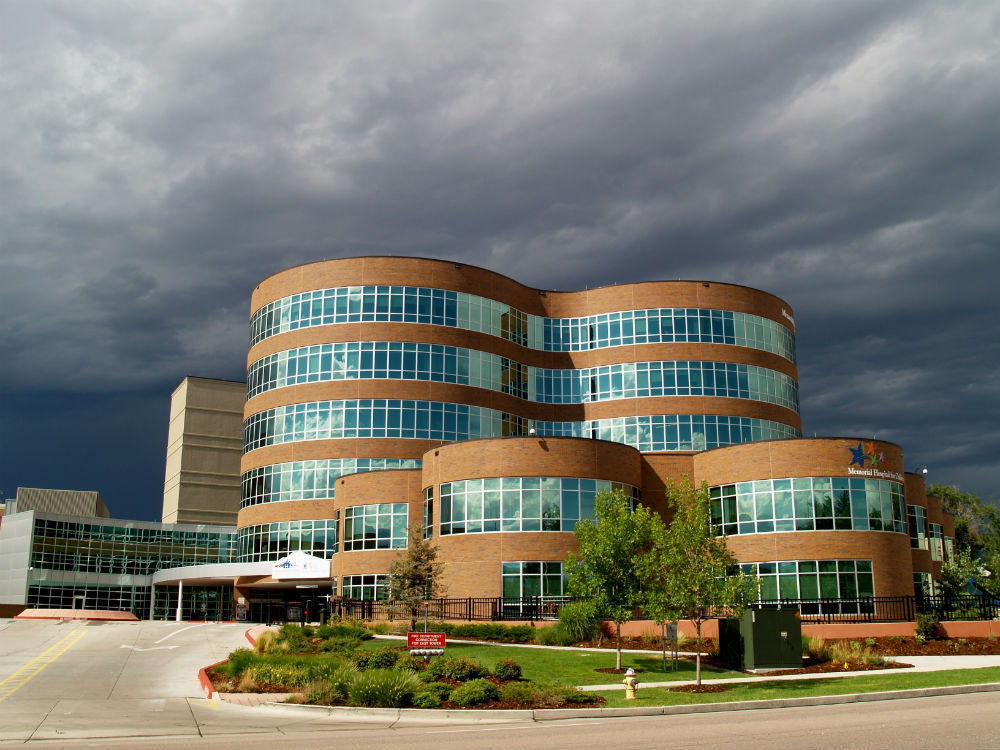
The city of Colorado Springs isn’t waiting for Tuesday’s election on leasing Memorial Health System to stake its claim to $185 million earmarked to pay the city-owned hospital’s potential pension liability.
On Aug. 15, attorneys for Colorado Springs filed a lawsuit asking a judge to rule that the city owes nothing to Colorado’s Public Employees Retirement Association, or PERA, if Memorial withdraws its roughly 4,000 employees from the pension system should voters approve a lease to University of Colorado Health.
PERA doesn’t appear to be backing down from the challenge. Colorado Springs City Attorney Chris Melcher said that PERA sent the city a letter on Aug. 3 stating that it intended to file its own lawsuit unless the city agreed to a large exit payment from the pension plan. The city’s lawsuit implies that PERA may try to block the lease from going forward, should voters approve it.
“Although it has known of the matters related to the (lease) transaction for several years, PERA has only very recently threatened to file suit against the city and certain other parties to prohibit the transaction from being completed unless the city first complies with the termination provisions,” the complaint states.
In a statement Thursday, a PERA spokeswoman said, “PERA believes that a judicial resolution of this issue will be necessary. PERA anticipates that we will be filing a counterclaim in this matter because the full amount is due and payable. Previous estimates of the cost of these earned and promised retirements are in the range of what we expect the liabilities to be.”
Melcher said the city asked PERA to wait until after Tuesday’s vote to resolve the dispute, but PERA refused.
“PERA’s position left the city no choice but (to) begin the legal process before the vote, and file a request with the court for a preliminary determination on this issue, even though a final answer will be months if not years away,” Melcher wrote in an email.
However, Melcher said the lawsuit should not affect the election. “If the community approves a new era for Memorial with the UCH system, we will move forward promptly on all the issues associated with a transition, including a vigorous defense of our community’s rights on the PERA issue,” he said. “We do not expect the legal process on the PERA issue to slow down in any way the transition of Memorial Health System to a lease arrangement with UCH if the voters approve the ballot measure next Tuesday.”
In January 2011, PERA told Memorial it would owe $246 million if it pulled out of the system, a tab that effectively derailed plans to spin off Memorial as an independent nonprofit.PERA contends that Colorado statutes specify how local governments can withdraw employees from the plan and what the costs are for doing so. According to a PERA statement on Aug. 31, 2011, if Memorial were to pull its employees out and pay nothing, the other members of the plan’s local government division, including Colorado Springs Utilities and the city of Colorado Springs, would have to make up the difference. At that time, PERA estimated the shortfall would cost Utilities an additional $48.9 million and the city another $28 million, with the cities of Boulder and Pueblo and Boulder County also getting hit.
According to correspondence between Memorial and PERA last year,, PERA lowered that estimate to $191 million due to improving market conditions and indicated it could fall as low as $150 million, depending on how many Memorial employees held onto their PERA accounts.
In the city’s lawsuit, the city counters that the termination statutes shouldn’t apply because, under the lease, Memorial employees would no longer be city employees but the city itself would still participate in PERA. The suit was filed in 4th Judicial District Court.
“We have consistently said over the past many months that the city believes that it has no obligation to PERA in the event the voters approve the transition of Memorial to the University of Colorado Health system, and the Memorial employees then become UCH employees,” Melcher wrote in an email to The Gazette. “This is no different than countless situations in the past when individual public employees, groups of public employees, or even entire departments of employees have left employment with the City, and have thereby left the PERA system. PERA has never before requested a payment when City employees have transitioned to new careers or opportunities, and there is no valid reason why a payment should be required now from PERA if the voters approve the Memorial transition.”
A year ago, Memorial made an offer of $50 million to resolve the impasse, but PERA never agreed to a settlement or a different method of calculating the disputed liability. In a statement issued that the time, Memorial said it was considering suing the pension plan to decide the question.
That suit was put on hold, however, as a city task force sought bids to lease Memorial. By January of this year, City Council unanimously endorsed a plan to lease Memorial to UC Health, a new joint venture by University of Colorado Hospital and Poudre Valley Health System.
Under the lease, UC Health would pay the city $74 million up front, $5.6 million a year in lease fees, plus the $185 million to meet the pension obligation. If the city can settle with PERA for less than $185 million, it would keep the difference. If the final tally is higher, the city would be on the hook.
All of this would likely be moot if Memorial’s employees could stay in PERA, but UC Health CEO Bruce Schroffel has said his staff explored the possibility, but it wouldn’t work. UC Health says it will offer employees a new pension plan.
Ballots for the Tuesday special election to decide the lease question were mailed this month. If approved, UC Health would take control of Memorial on Oct. 1.
A spokesman for UC Health said he believes the dispute is between PERA and the city.Stephannie Finley, head of the group “Great City, Great Care” that is backing the lease deal, said she believes PERA’s threat was politically calculated.
“It was a strategic move on their part to do it right before the election,” Finley said, “but I think people recognize that and they’re not going to let PERA distract them from the really great deal in front of them.”
