






‘Bully’ producer doesn’t back down
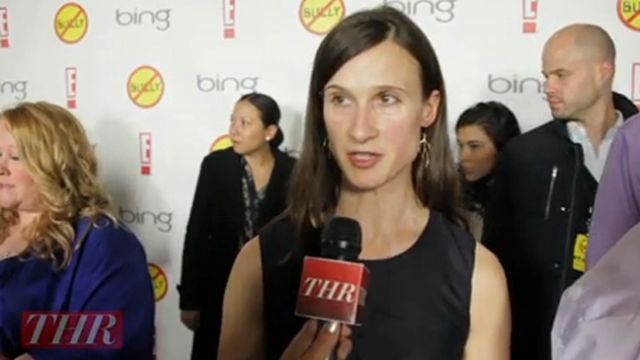
Never before has “bully” been such a bad word.
The controversy with the Motion Picture Association over the film’s strict rating and the stories of suicide shared in the documentary have opened a national dialogue about a social problem some feel has been ignored for too long.
Colorado College graduate Cynthia Lowen, who is the co-writer and producer of the film, will be on hand to discuss the film and her part in it at her alma mater.
“People are desperate to find community around this issue,” says Lowen.
Depending on its stories to awaken the collective conscience, “Bully” follows the troubled journeys of five families forced to tolerate administrators who chalk the abuse up to “kids will be kids.” Lowen and Lee Hirsch, the director and Lowen’s writing and producing partner, want to build a platform from which their stories — and many more yet untold — can be voiced.
Here, we talk with Lowen about the film, the controversy and making it at 20-something.
The Gazette: You and director Lee Hirsch have said that this issue is close to both of you. How did that affect your relationship with those you followed?
Cynthia Lowen: One of the things in making the film was that we felt like the kids were a part of the process. Being younger, being closer to their age, meant that I remembered those awkward years. Those memories are clear to me, so I could understand them and in really getting to know the kids, we all became pretty close.
Gazette: Speaking of your age, as a 20-something writer and producer, you’ve accomplished quite a bit. How does it feel seeing your work reach this kind of success so early?
Lowen: I think seeing the film out there has just been incredible, but it had very humble beginnings. We started this film with our own savings. It was just the two of us, travelling and shooting. It felt like a very do-it-yourself thing, but we went with it because we really felt like now is the time. And the response has been overwhelming. The country has moved beyond “there’s a crisis” to “now what?” The nation is now really aware of more than just the social issue. They’re aware of the stories behind it and the impact it has on all involved.
Gazette: Do you see the issue of bullying compounded by a lack of response from the teachers and administrators or is it more an issue of social negligence?
Lowen: I think the fact is that schools have condoned it. Bullying has been seen as normal. “It’s just what kids do.” That’s the attitude: Educators are just sort of looking the other way. There needs to be a shift in educating, in the objectives of educating, because it’s more than just academics. It’s building character. It’s building society. Knowing that changes what the responsibility of the educator is. And we can get there. We’ve had a ton of support from educators. The American Federation of Teachers attended our opening night in New York. We all agree that it’s important that we build this dialogue together.
Gazette: It would make sense to conclude that the bullies themselves are struggling with their own issues. Does the film address their needs as well?
Lowen: We really felt like as filmmakers, it wasn’t our job to say, “This is why bullying occurs.” It’s not our job to talk about why it happens. Our job is to depict what happens and then from there, to build a robust partnership with the people who are experts and can speak to why it happens, so we can provide tools and advocate for their kids. But we felt (that) really the objective of the film was to depict the situations.
Gazette: What sort of action do you hope people will take as a result of seeing this film?
Lowen: I think our main goal is to get people to act independently if they encounter bullying. You don’t always need a bullying-prevention program to take action. If you hear someone abusing another person, you can do something about it. Or you can take action just by standing out in the hallway and making sure kids aren’t being bullied. Just be a presence. If every person who sees this takes the responsibility to respond differently to individual actions, that’s where change really starts to happen.
Photo by