






NFL’s first black kicker has turned life around
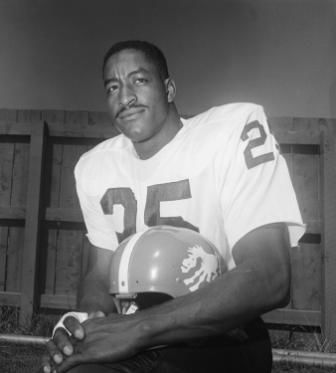
Gene Mingo, the first black placekicker in the NFL or AFL, would rather describe how the 1960 Denver Broncos sometimes stayed in separate hotels because of segregation, or how he honed his football skills playing in the service at Navy after not attending college. He’ll complain that he hasn’t been recognized sufficiently by the Broncos or the AFL, but recounts that longtime Chiefs owner Lamar Hunt spotted him before a Broncos game one time and told his sons, “This man helped save the American Football League.”
He openly talks about a drug addiction in the 1980s after many surgeries, and how it led to him accidentally shooting and almost killing his wife (who he is still with, and has been for 38 years).
And how that led to his religious awakening, getting his GED high-school equivalency degree at age 50 and becoming a drug and alcohol counselor.
This Sunday, Mingo will get a bit of the recognition he has craved from the Broncos. He and Gino Cappelletti, the Patriots’ radio broadcaster and another participant in the first game in AFL history, will be honorary captains, wearing the same throwback jerseys as the players.
“I’ll wear that yellow jersey with a lot of pride,” said Mingo, whose 76-yard punt return for a touchdown was the difference in a historic 13-10 Broncos victory over the Patriots.
Mingo played five seasons and many different positions for Denver, led the AFL in scoring twice and still is in the Broncos’ record book, including for longest run (82 yards) in team history.
“He’s a very, very significant part of Denver Broncos history,” said team spokesman Jim Saccomano, who asked Mingo if he would be an honorary captain Sunday.
On Mingo’s worst day, Sept. 10, 1986, such an honor was inconceivable. Mingo was battling a cocaine addiction.
He was paranoid that drug dealers were coming to get him, and he discharged a gun when the family dog jumped at him. The bullet hit his wife and is still lodged in her back 23 years later. She was in critical condition for a few days, but survived.
Mingo said while he was in jail, he had a vision of family members, including his mother and father, telling him everything would be OK. He saw another vision, which he said was a long-haired figure with a white robe.
“I believe I looked in the face of God,” Mingo said. “That’s what I live with today.”
Mingo became a Level III Certified Addiction Counselor, the highest level for that position, and worked at a treatment center in Parker before retiring in 1999. Retirement is just as busy. He leads interventions for addicts.
He said he has been called 200 times and can’t remember more than four who didn’t go to treatment. Mingo thinks his honesty connects with people.
“I’m tired of people destroying their lives with drugs and alcohol,” Mingo said. “I’ve learned so much in life. I try to share to get them to not make the same mistakes.”
When Mingo is at the grocery store, a sporting event or during even a recent trip to the doctor’s office, he’ll get recognized. Not for his playing days, but by people whom he affected. He said he’ll get a tap on the shoulder, and the person will tell him he helped save their life.
“It really makes you feel good,” Mingo said.
The first African-American kicker in professional football, Mingo is the only member of this list who didn’t play football in college. Mingo dropped out of high school to join the Navy and had success playing for teams in the service. He kicked an extra point and returned a punt 76 yards for a touchdown in the first-ever AFL game, a 13-10 Broncos victory over the Boston Patriots. He led the AFL in scoring in 1960 with 123 points and again in 1962 with 137 points. Also a running back, Mingo’s 82-yard touchdown run against Oakland on Oct. 5, 1962 is still a team record.