






Hot for chili
Fort Carson officials on Thursday pointed to the increased accessibility of counseling services and a jump in soldiers reporting mental health problems as the chief reasons for a dramatic rise in behavioral health visits on post.
“We were a hospital-centric organization providing behavioral health care to the community,” said Col. John McGrath, commander of the post’s medical department. “And now we’re a community-based system.”
McGrath’s comments came during a media open house highlighting the changes that Fort Carson has made to its behavioral health program, which garnered criticism in 2007 and 2008 after a slew of crimes involving soldiers fresh back from war.
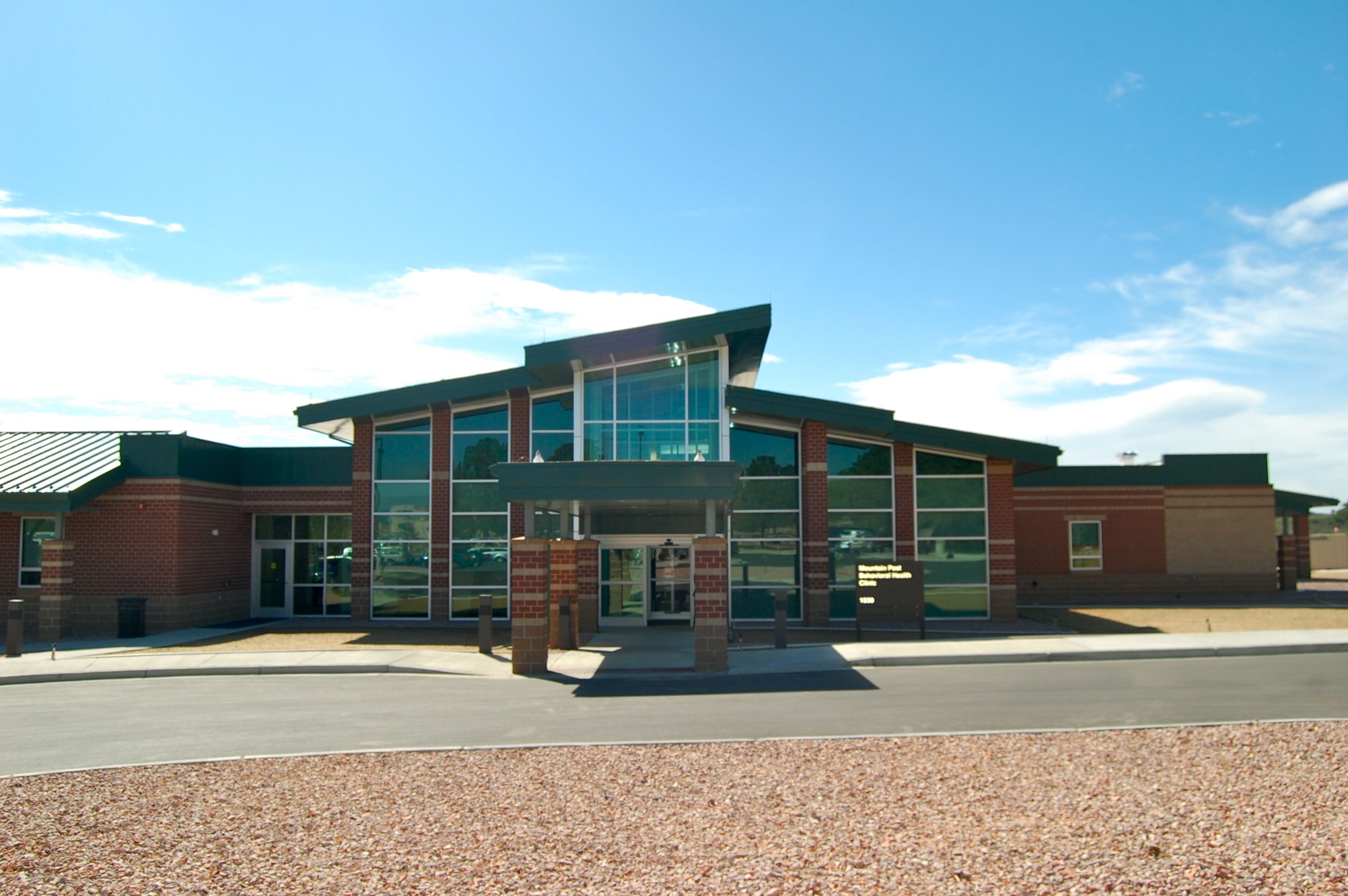
The next step in that transformation will take place Thursday, when the post opens a family resiliency campus aimed at helping families during and after deployments. It features a behavioral health center, a child care center and a massive fitness center.
Since 2001, the number of soldiers stationed at the post has nearly doubled, growing from 14,800 soldiers to about 26,000 last year.
But during that same amount of time, Fort Carson soldiers logged four and a half times as many visits to behavioral health specialists — a total that stretched to 108,000 visits in 2011.
McGrath said initiatives aimed at making behavioral health care more assessable have contributed to the dramatic rise.
In particular, he pointed to the post’s “embedded” clinical care program in which behavioral health clinics were placed amid each combat brigade’s facilities, along with an extra clinic that caters to a support brigade.
By moving the clinics out of the hospital and next to the soldiers’ barracks and offices, officials said soldiers more readily seek help.
The program has garnered high marks since Fort Carson officials piloted the program in 2009. Similar programs have since been instituted at bases in Hawaii, Kentucky, Texas and North Carolina.
Fort Carson officials also pointed to an increased push to vet soldiers for mental health problems. Specifically, soldiers must repeatedly take multiple-choice behavioral exams before, during and after deployments.
McGrath cautioned, though, that Fort Carson’s behavioral health system is largely dependent on soldiers taking the first step in seeking help.
“That’s part of it, just getting over that warrior pride,” McGrath said.
—
Contact Jakob Rodgers: 476-1654
Twitter @jakobrodgers
Facebook Jakob Rodgers
Photo by
The Mountain Post Behavioral health clinic on Fort Carson. The clinic is one of the main components of the resiliency complex that will open on Thursday. Photo by
The first part of determining the mental state of a soldier upon for deployment and upon redeployment. This process is done at the Soldier Readiness Processing Center, or SRPC. Photo by
One of the high tech webcams that allow behavioral health employees at SRPC Behavioral Health to work with other soldiers in the western region, such as those at Joint Base Lewis-McChord in Washington. Photo by