






Ojeda takes control
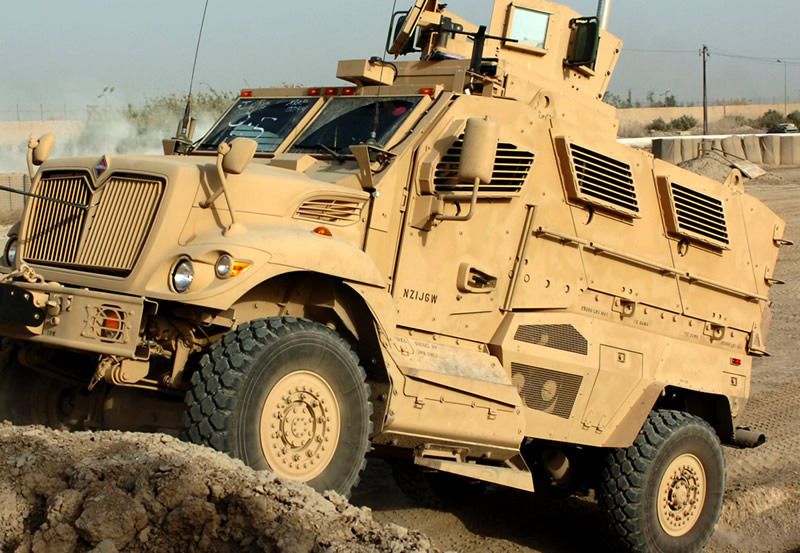
WASHINGTON — The Pentagon’s $45 billion investment in armored vehicles to protect troops from roadside bombs in Iraq and Afghanistan has been credited with saving thousands of lives.
Now the truck is approaching the end of the road. President Obama’s military strategy, announced in January, envisions a lighter, more agile military focused on action in the Pacific. The heavy, lumbering Mine Resistant Ambush Protected (MRAP) truck — the principal troop carrier in combat for the last five years — is a poor fit for that future.
“We spent a lot of money on these things,” said Col. Mark Barbosa, an Army official in charge of its MRAP program. “The bottom line is that they did exactly what we wanted them to do — they protected soldiers both in Afghanistan and Iraq. They saved a lot of lives.”
The trucks, whose V-shaped hulls deflect the force of blasts, proved 10 times safer than Humvees, then-Defense Secretary Robert Gates told USA Today last year. Improvised explosive devices (IEDs) are the top cause of casualties in Iraq and Afghanistan. But the military no longer intends to fight long-term occupations that it was designed for after the U.S. combat mission in Afghanistan ends in 2014.Click here to read more
Photo by