






Little choice but to NIT-pick
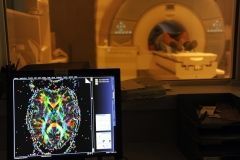
Military researchers are getting better clues into a suspected link between combat-related traumatic brain injuries and whether the shocks and jolts that come along with a battlefield blast or concussion may have long-term neurological effects.
Studies on the biological changes in the brain being done in collaboration with the U.S. Army Medical Research and Materiel Command and the Department of Veterans Affairs are showing an abnormal buildup of a protein called tau that is prevalent in people diagnosed with neurodegenerative diseases such as Alzheimer’s, researchers said.
Additionally, the Army is performing a pivotal trial among 2,000 troops in Afghanistan that looks for biomarkers in the blood of soldiers who have suffered a mild TBI that is revealing promising results, said Col. Dallas Hack, who directs the Combat Casualty Care Research Program at Fort Detrick.
Hack, a doctor, said the Army is working with the Food and Drug Administration on the test and it could be approved in two years.Click here to read more
A servicemember receives a Diffusion Tensor Imaging scan of his brain at Landstuhl Regional Medical Center in Germany. Diffusion Tensor Imaging, a variation of MRI, was used in a recent study that showed that servicemembers with mild traumatic brain injuries from blasts were more likely to have abnormalities consistent with nerve damage in two or more brain regions, areas not typically associated with civilian concussions. Photo by Michael Abrams/Stars and Stripes