






Ex-coach Neuheisel will not face NCAA penalties
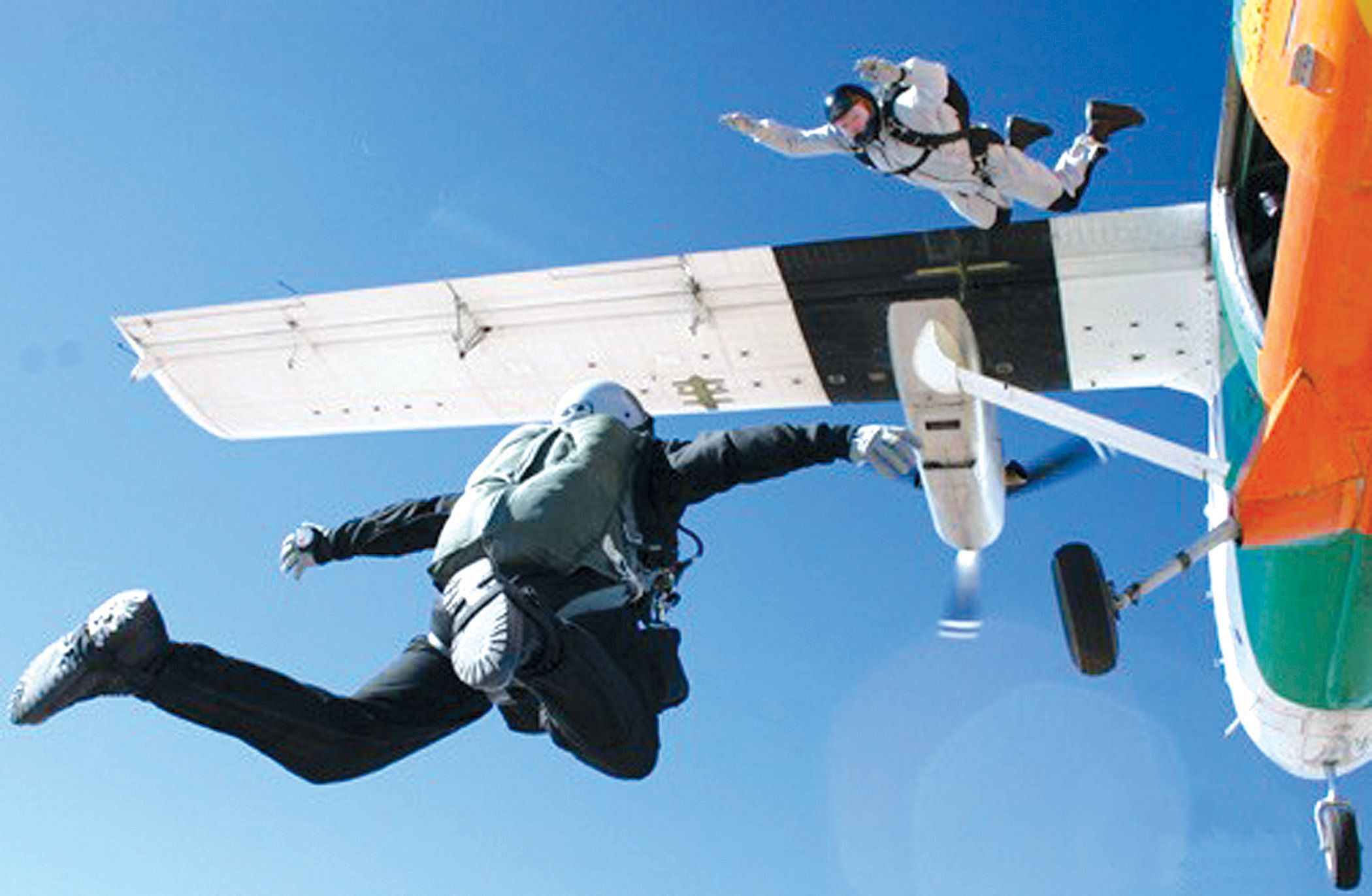
If think you’ve heard more planes overhead these past few months, it’s not just your imagination. Summer at the Air Force Academy means more time in the air for cadets.
There are 11,000 sorties, short flights, in the summer program, said Lt. Col. Matthew Esper, deputy commander of the 306th Flying Training Group, which is responsible for Airmanship Training during the summer.
Esper said more than 60 percent of the academy’s flights, glider rides and parachute jumps are completed during the brief summer interlude, when cadets aren’t tied down by heavy-duty classwork.
From May 29 to August 3, flying hours will be 7 a.m. to 8 p.m. Monday through Friday.
The programs will return to their reduced flying times with the beginning of the academic year, but in the meantime the academy asks the community for patience with the increased noise.
“We sincerely appreciate the continuing cooperation and support of our good neighbors in Colorado Springs and surrounding communities,” said Meade Warthen, Chief of the Media Relations Division for the academy, in a release.
Part of the reason for the longer schedule is the better weather and longer days that come with every summer, but it’s also a matter of necessity.
“The only way for us to keep these programs going is to keep our cadet instructors, and we can’t train cadet instructors during summer.,” said Lt. Col. Esper.
Cadets enjoy the extra air time.
“It’s a lot of fun — I’ve never actually been in a powered airplane until this. It helps show whether you want to be a pilot,” said cadet Nathan Davies, a senior learning to fly a single-engine plane.
About half of the cadets at the academy will eventually seek a living in the air, as pilots, flight crew members or drone-drivers,
“We bring air to the Air Force Academy,” Lt. Col. Esper said, describing the 306th. “That’s what our job is – to promote airmanship and leadership through our programs.”
Learning to fly and parachute is a significant part of the curriculum at the Air Force Academy, but it’s not just a learning experience for those taking the courses: around 92 percent of instructor pilots are cadets. For them as well, taking students through the basic courses is a memorable experience.
“You just see the twinkle in their eyes — ‘Yeah, I got it!’ They feel like a pilot in the Air Force, like they just graduated from Top Gun or something,” said cadet instructor pilot Michael Seis, a senior with the 94th Flying Training Squadron.
The cadet instructors feel the change that learning to parachute and fly has in their students, some of whom have never flown in a plane before, let alone jumped out of one.
“It’s a pretty neat feeling to see these guys who came out three days ago knowing nothing, and now — they grew. They were fearful before, but they’re overcoming their fear,” said Jordan Loudenback, a cadet instructor for the basic jump course.
—
Contact Lauren Fellers: 636-0198.
Mary Ellen Mileski (right), mother of the victim Jack Mileski and older brother Bill Mileski (left) leave the courtroom Friday 8/21/98. The jury found Clair Welsh gulty of first degree murder. photo by Heidi Thomsen
Tech. Sgt. Shawn Studer exits the plane to join Staff Sgt. Scott Lawrence in a freefall over Edwards Air Force Base, Calif., on Tuesday, May 23, 2006. They are assigned to the 418th Flight Test Squadron’s test parachutist program. (U.S. Air Force photo) Photo by
Photo by
Photo by