






Sky Sox Stadium’s name up for grabs
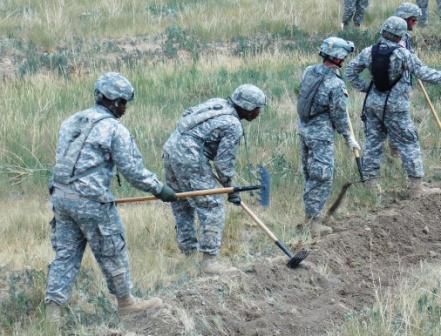
The first time Sgt. 1st Class Matthew Dzuricky fought a fire, he stood in Baghdad, watching as mortars and looters alike set the city ablaze.He remembers freeing one family from a building spitting with flame. When Iraqis aboard a fire truck hesitated, Dzuricky grabbed the hose and headed inside.Nine years later and several thousand miles closer to home, Dzuricky again transitioned from soldier to firefighter.Clasping the controls of an Armored Combat Earth Mover, the Fort Carson soldier sliced away shrubs from the earth at the south end of the Air Force Academy — cutting miles of fire line to stop the most destructive firestorm in the state’s history.The 127 soldiers alongside him boasted less firefighting experience. But over the course of five days, the troops cleared away more than 17 miles of fire breaks.“You could just see it in their eyes,” said Lt. Col. Daniel Hibner, commander of the 4th Engineers Battalion. “There was no greater sense of pride at that time.”Federal firefighters called in Fort Carson troops from the 52nd Engineers Battalion on June 26 to cut away lines near U.S. 24, which closed when flames raced down hillsides bordering the highway.The next day, Hibner’s troops began working near the Air Force to keep the firestorm from advancing north of Blodgett Peak.Without being trained to fight fires, the troops stayed clear of the flames and instead worked on containment.“We’ve lost enough soldiers to war; we didn’t want to lose anybody to this fire,” Hibner said.Soldiers lopped off the limbs of trees where fire breaks couldn’t be cut. Others, including Dzuricky, hopped in dozers and graders and began clearing away vegetation.Most soldiers had never used Armored Combat Earth Movers — tracked vehicles resembling tanks equipped with a dozer blades rather than turrets — before heading to the Waldo Canyon fire.Dzuricky went 12 years without sitting in the driver’s seat.Fifteen minutes passed before he started to remember how to command the bulky machine.“You’re filthy, you’re sucking in dirt all day, you’re spitting it back out,” Dzuricky said. “There’s no way of getting around it. You can try to mask yourself but it doesn’t work that great. It’s just a really fun vehicle to operate.”The soldiers scraped away lines ranging from 16 feet to 80 feet wide.After as many as 16 hours the field, troops returned to a command post in the field and slept outside. Repairs and meals were made on-site.Outside the fire lines, residents waved and applauded the soldiers, Dzuricky said. The few days he spent on the other end of El Paso County were among the most gratifying of his career.“It was an honor to actually serve our country in our country,” Dzuricky said. “That was a breath of fresh air for us for Americans to see their armed forces in action.”—Contact Jakob Rodgers: 476-1654Twitter @jakobrodgersFacebook Jakob Rodgers
Photo by