
Animal Madness: Colorado wildlife face off in bracket challenge

As college basketball players compete for one shining moment, we’ve imagined a bracket of Colorado’s animals that provide us countless shining moments year-round.
Here’s the play-by-play:
PEAKS AND PLAINS REGION
First round
(1) Rocky Mountain bighorn sheep def (16) miller moth: A most majestic creature moves past the much maligned pest.
(8) Red fox def. (9) pika: A close contest between the tiny, big-eared, alpine chirper we love and the fox that more dramatically catches the eye.

(5) Pronghorn def. (12) prairie dog: Two residents of the plains meet in a matchup that favors the prancing one that has always stirred the Western imagination.
(4) Mule deer def. (13) Gunnison sage-grouse: We are lucky to ever spot the federally threatened bird of western Colorado, while the mule deer delights everywhere around the state.
(6) Lynx def. (11) coyote: The reputations could not be more different — one the “trickster of the Southwest,” as Colorado Parks and Wildlife notes, and the other worthy of a reintroduction effort around the turn of this century.
(14) Snowshoe hare def. (3) rattlesnake: The first upset of the tournament sees one of Colorado’s most iconic species go down to one much cuter in the eyes of fearful beholders.
(10) Gray wolf def. (7) lake trout: The state’s newest, biggest predator overcomes one of the state’s biggest fish.
(2) Black bear def. (15) jumping mouse: CPW counts two jumping mice in the state: the western and the meadow. The one species of bear is much better known to everyday Coloradans.
Second round

(1) Bighorn sheep def. (8) red fox: The fox in the snow is a sight to see, as is the postcard bighorn in one of its postcard homes: Garden of the Gods.
(4) Mule deer def. (5) pronghorn: Colorado claims the largest mule deer population in the world, with trophy bucks to admire throughout.
(6) Lynx def. (14) snowshoe hare: The hare’s Cinderella dance ends in the snow that it navigates just like lynx, with similarly broad feet.
(2) Black bear def. (10) gray wolf: The state’s bear population thrives; that could not be said for the wolf amid a struggling reintroduction effort.
Third round
(1) Bighorn sheep def. (4) mule deer: A buck’s antlers captivate, but those curling horns are hard to beat.
(2) Black bear def. (6) lynx: The lynx hides from view, often unlike the friendly bear.
Region final
(1) Bighorn sheep def. (2) black bear: The official state animal gains its rightful place in the Final Four.
VALLEY REGION
First round

(1) Moose def. (16) mosquitos: Fortunately Coloradans are rarely bothered by mosquitos, which hide out in wetlands like moose.
(8) Peregrine falcon def. (9) Steller’s jay: Both striking, one much faster: CPW calls the Peregrine falcon the fastest animal on Earth, diving for prey up to 200 mph.
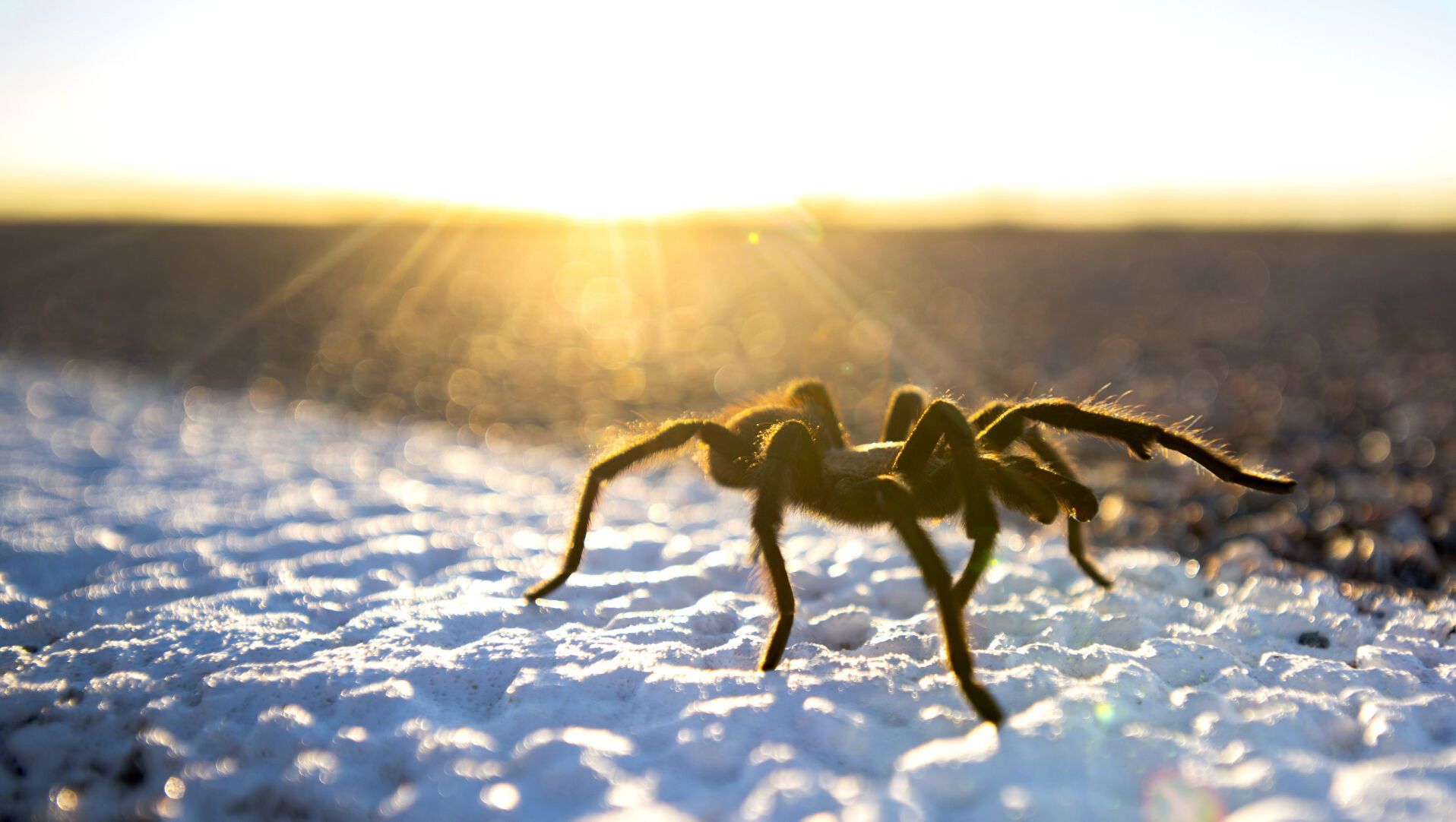
(12) Mountain plover def (5) tarantula: Both have festivals in their honor on the southeast plains, but lesser known is the small bird called the “Prairie Ghost” — a perfect darkhorse.
(4) Beaver def. (13) hummingbird: Beavers are known as “nature’s engineers.” That helps explain a new CPW plan aimed at boosting the state population.
(6) Lark bunting def. (11) channel catfish: The official state bird, a black and white beauty, flies to the next round.
(3) Sandhill crane def. (14) raccoons: The raccoons do what they do in the neighborhood, while only once a year the migrating sandhill cranes come to amaze in the San Luis Valley.
(7) Desert bighorn sheep def. (10) great horned owl: However lesser seen than the Rocky Mountain bighorn, the desert bighorn are no less marvelous.
(2) Bison def. (15) porcupine: They were nearly wiped out by westward migration, but still bison stand at the forefront of our Western conscience.
Second round

(1) Moose def. (8) Peregrine falcon: The falcon reclusively nests high in the cliffs, while moose have increasingly been spotted all around Colorado.
(4) Beaver def. (12) mountain plover: “Nature’s engineers” do more than build dams for themselves; the structures are said to benefit the surrounding wetland, habitat, water quality and fire resilience.
(3) Sandhill crane def. (6) lark bunting: With its 7-foot wingspan and ancient songs and dances, no bird mesmerizes quite like the sandhill crane.
(2) Bison def. (7) desert bighorn sheep: The desert bighorn are limited to certain pockets of far western Colorado, where CPW has tracked small numbers of wild bison moving in from Utah to the Book Cliffs area.
Third round
(1) Moose def. (4): beavers: This imaginative matchup recalls a real world situation: In Rocky Mountain National Park, officials have grown worried about moose eating away willow and beaver habitat.
(2) Bison def. (3) sandhill crane: Coloradans flock to see the cranes come spring in the San Luis Valley, just as we flock to see conservation herds maintained at Daniels Park, Genesee Park and the Rocky Mountain Arsenal National Wildlife Refuge.
Region final
(2) Bison def. (1) moose: There are no questions about bison’s native place in Colorado, though there are about moose, which were flown into North Park in 1978.

ALPINE REGION
First round
(1) Elk def. (16) bullsnake: Elk victory was inevitable, but don’t overlook the snake that CPW calls “invaluable” as “one of the most effective rodent control animals in Colorado.”
(8) Colorado hairstreak def. (9) kokanee salmon: However popularly fished, the official state insect of purple wings and orange spots has an aesthetic edge over the hook-jawed salmon.
(5) Golden eagle def (12) chipmunk: The gregarious little critters have a special place in the hearts of Coloradans, as does the highly recognizable raptor.
(4) Bald eagle def. (13) eastern collared lizard: The electric blue and yellow lizard dazzles by desert land, the symbolic bird by sky.
(6) White-tailed ptarmigan def. (11) snow goose: Birders love the geese that grace the southeast plains, but the white-tailed ptarmigan is an even more cherished sighting — a solitary, alpine dweller that turns white with the snow come winter.

(3) Marmot def. (14) boreal toad: Colorado’s only alpine toad is listed as endangered — a struggling underdog in this matchup with a much more abundant alpine species.
(7) Bobcat def. (10) monarch butterfly: Spotting the secretive cat is a thrill unmatched by the renowned pollinator, which we are fortunate for in Colorado.
(2) Mountain goat def. (15) big brown bat: Colorado’s most common bat does not compare to the woolly wanderer of the Rockies.
Second round
(1) Elk def. (8) Colorado hairstreak: The butterfly is the state insect, but elk seem even more synonymous with Colorado.
(4) Bald eagle def. (5) golden eagle: Similar in size — wingspans of 7 feet — but different in status and that white, regal cap that defines the bald eagle.
(3) Marmot def. (6) white-tailed ptarmigan: For Coloradans, the charismatic marmot is ingrained in many memories of high altitude adventure.
(2) Mountain goats def. (7) bobcat: The bobcat shies away, while mountain goats greet tourists on the Mount Blue Sky Scenic Byway.
Third round
(1) Elk def. (4) bald eagle: Yes, the bald eagle is an American classic and the elk is a Colorado classic; the state is home to the largest population in the U.S.
(2) Mountain goat def. (3) marmot: The goats’ vertically capable hooves attain higher ground.
Region final
(1) Elk def. (2) mountain goat: Fitting as they seem in Colorado, the mountain goat is not native to the state, keeping it from the Final Four.

FOREST AND STREAMS REGION
First round
(1) Mountain lion def. (16) garter snake: The common snake incites fear; it’s equal fear and awe for the puma.
(9) Black-footed ferret def. (9) walleye: The walleye is still No. 1 for regular anglers of Lake Pueblo, in a region also home to the recovering, formidable mammal considered the most endangered in North America.
(5) Brook trout def. (12) painted turtle: Defeated but not forgotten is the aptly named painted turtle, Colorado’s official state reptile with a fossil record going back 15 million years, CPW notes.
(4) Greenback cutthroat trout def. (13) arctic grayling: A fascinating matchup of fascinating fish, the grayling known for its dorsal fin and rarity and the greenback similarly known for its rarity and status as the state fish.

(11) Brazilian free-tailed bat def. (6) brown trout: The commonly fished trout goes down to the less common bat, with a seasonal colony that flies out of a San Luis Valley cave and puts on one of Colorado’s great nature spectacles.
(3) Rainbow trout def. (14) turkey: Turkey love is largely limited to the holidays, while anglers’ love for the colorful trout knows no limits.
(7) Red-tailed hawk def. (10) tiger salamander: We look low for the state amphibian, spotted and hard to spot in waterways, and we look high for the hawk that regularly graces us with its presence.
(2) Burro def. (15) northern leopard frog: The donkey a 2-seed? Don’t forget how essential the packing companion was in the state’s essential mining history.
Second round

(1) Mountain lion def. (9) black-footed ferret: The ferret is a respected hunter, but compared with the mountain lion, it’s down some rungs on the food chain.
(5) Brook trout def. (4) greenback cutthroat trout: The greenback is the focus of a recovery effort, while the brookie is the focus of many an addicted angler.
(3) Rainbow trout def. (11) Brazilian free-tailed bat: It’s a rare and remote occasion, the sight of that San Luis Valley outflight, but the sight of the shimmering trout in the water constantly lifts spirits.
(2) Burro def. (7) red-tailed hawk: The state sport of Colorado? Burro racing, in which runner and burro trot side by side, like miners of the day.
Third round
(1) Mountain lion def. (5) brook trout: Iconic in their own rights, but the big, stealthy cat might better symbolize wild Colorado.
(2) Burro def. (3) rainbow trout: Go to Cripple Creek to see just how much Coloradans love burros: Come summer in the historic gold epicenter, they freely walk the streets with locals and tourists.
Region final
(1) Mountain lion def. (2) burro: The top predator will not be denied.
FINAL FOUR
(1) Elk def. (1) mountain lion: Obviously not happening in a real predator-prey scenario. But this is more so a bracket of imagination and adoration, felt by masses of admirers every year come the rut in Rocky Mountain National Park.
(1) Bighorn sheep def. (2) bison: Could Colorado ever again boast a wild population of bison as in the olden days? A question asked by generations who have only viewed conservation herds, as the mighty bighorn roams free and magnificent.
CHAMPIONSHIP
(1) Bighorn sheep def. (1) elk: Perhaps it’s no wonder the bighorn was declared the state animal in 1961. Perhaps there is no better representative of Colorado’s rugged, glorious land.


Get OutThere
Signup today for free and be the first to get notified on new updates.
PREV
PREVIOUS

Two specialized Colorado Springs police teams unite to address homelessness
Two specialized units within the Colorado Springs Police Department, which for years have been patrolling concentrated areas of the city for issues pertaining to homelessness, have merged and been re-tasked, according to Lt. Ryan Tepley, who oversees the new Peak Station Unit. The Homeless Outreach Team and the Downtown Area Response Team were combined on Feb. 1, he said. The resulting […]

Missed paychecks and airport delays: Pressure mounts on Congress to end the funding shutdown
WASHINGTON (AP) — Pressure is mounting on Congress to end the funding shutdown that has resulted in travel disruptions, missed paychecks and even warnings of airport closures, but lawmakers have yet to resolve the underlying issue of reining in President Donald Trump’s immigration enforcement operations. Senators intend to vote Thursday on a Republican proposal that […]