Fall is prime time for adventure in western Colorado’s Grand Valley
When the temperatures drop, the appeal of far western Colorado rises.
While the summer heat might keep us away from the desert around Grand Junction, fall is a cool, refreshing invitation to that grand terrain. This is, indeed, the Grand Valley — known as a “land of plenty” for the plentiful fruit that grows here.
The harvest is winding down. But it’s prime time for plenty of adventure.
The Grand Mesa
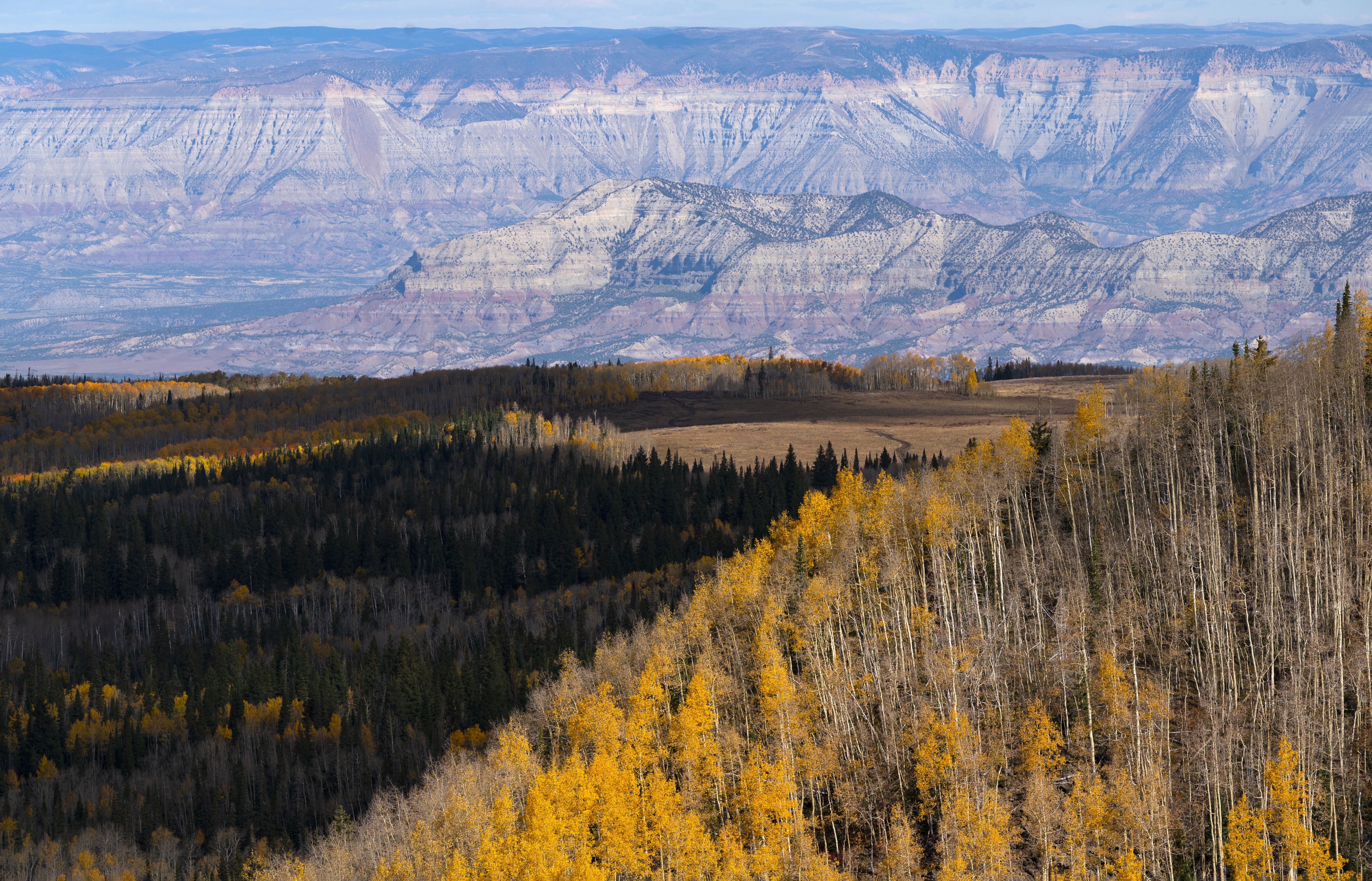
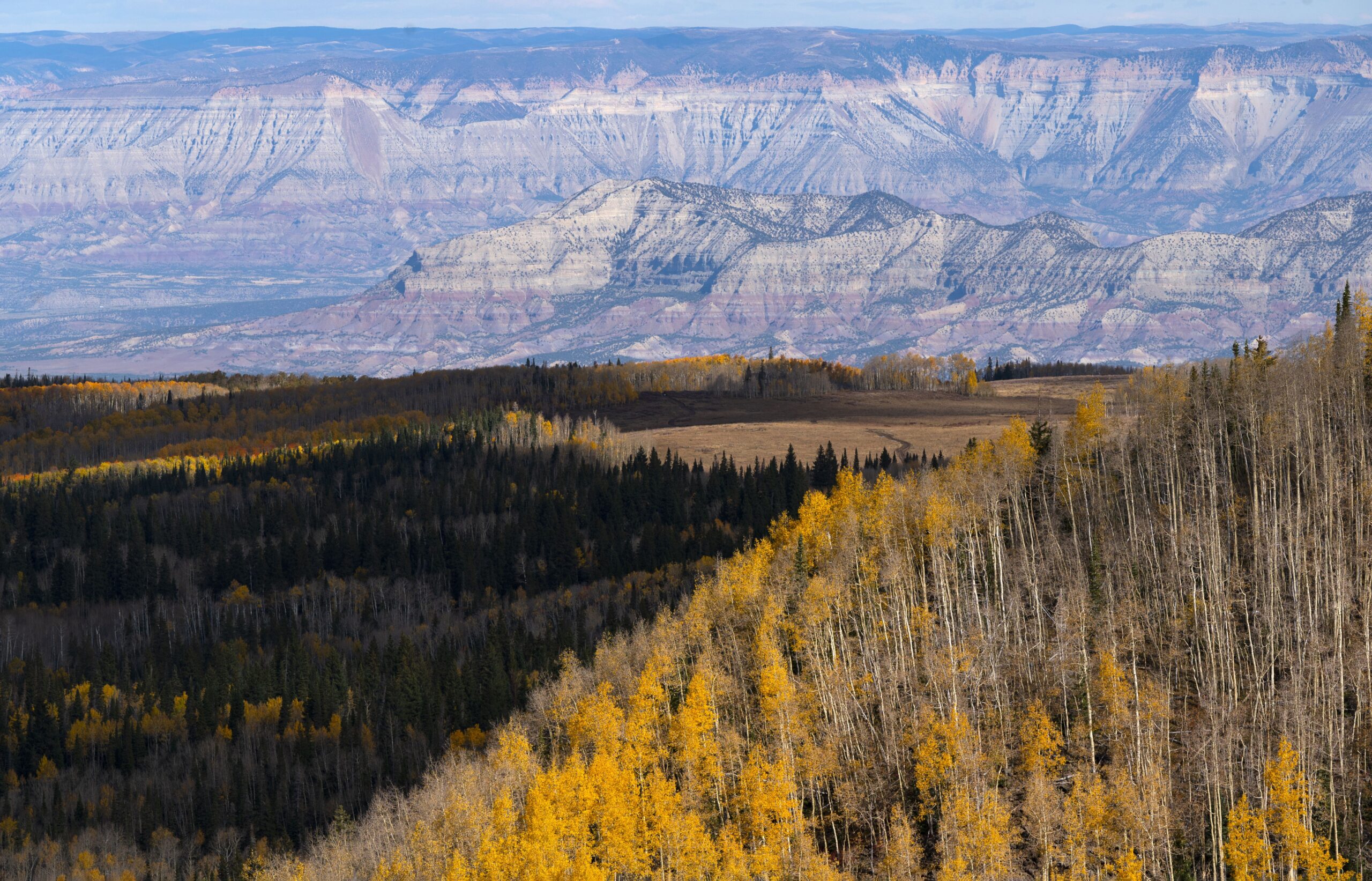
For fall foliage, look no further than the flat top mountain known as the largest in the world. Golden aspen and multi-colored oak line the Grand Mesa Scenic Byway, roaming 63 miles over the mesa between Interstate 70 and Cedaredge.
The Grand Mesa is spotted by hundreds of lakes. The largest is Island Lake, a go-to for boaters and anglers. The trail to Mesa Lakes is family friendly, while Lost Lake offers more remote serenity.
Other quintessential hikes: the short trail to the Land of Lakes Overlook, and the longer Crag Crest Trail to more mesmerizing views. Mountain bikers in recent years have added Mesa Top Trail to their bucket list — a swooping drop from the mountain’s highest reaches above 10,000 feet.

Rugged roads off the paved byway lead to more destinations. That includes the Land’s End Observatory, aptly named for its place on the edge of the mountain.
The possibilities can span multiple days. Fortunately, the Grand Mesa is home to several campgrounds, with a variety of first-come, first-served and reservable sites.
Colorado National Monument
Between Grand Junction and Fruita is this geologic wonderland on par with legendary preserves farther west.
Yes, the Colorado Plateau that encompasses Arches, Canyonlands, Zion and Bryce Canyon national parks — not to mention the Grand Canyon — also encompasses Colorado National Monument. And yet visitation here does not compare with those other aforementioned parks.
Colorado National Monument “catches a lot of people by surprise,” a ranger once told us. “Many people will say, ‘I drive up Interstate 70 all the time, and this time we had to stop, and oh, my gosh, where has this been hiding the whole time?”
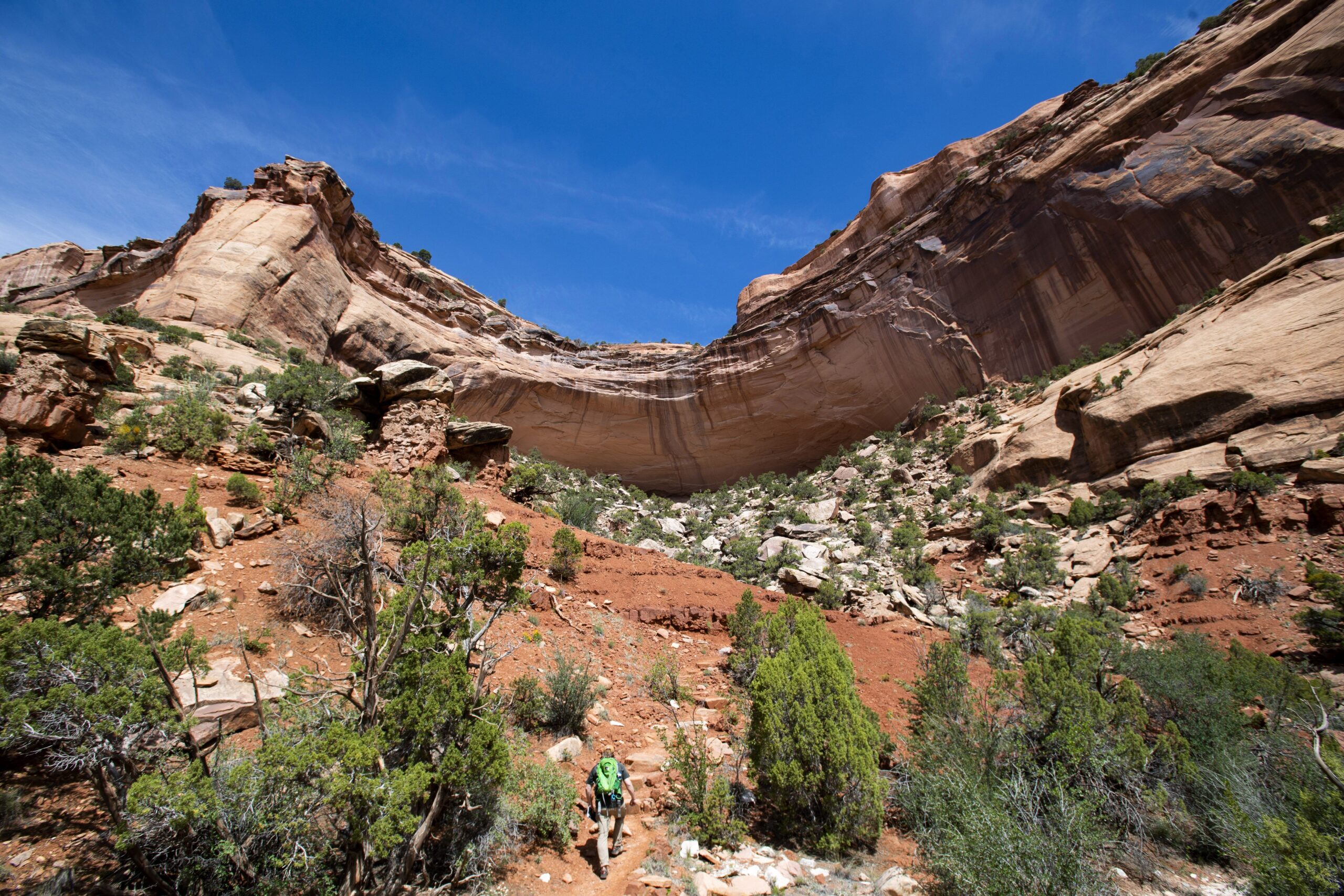
Hiding in plain sight off Rim Rock Drive, the 23-mile road that tours colorful spires, monoliths, canyons and cliffs. While spectacular from the road, the mosaic might be best appreciated by foot.
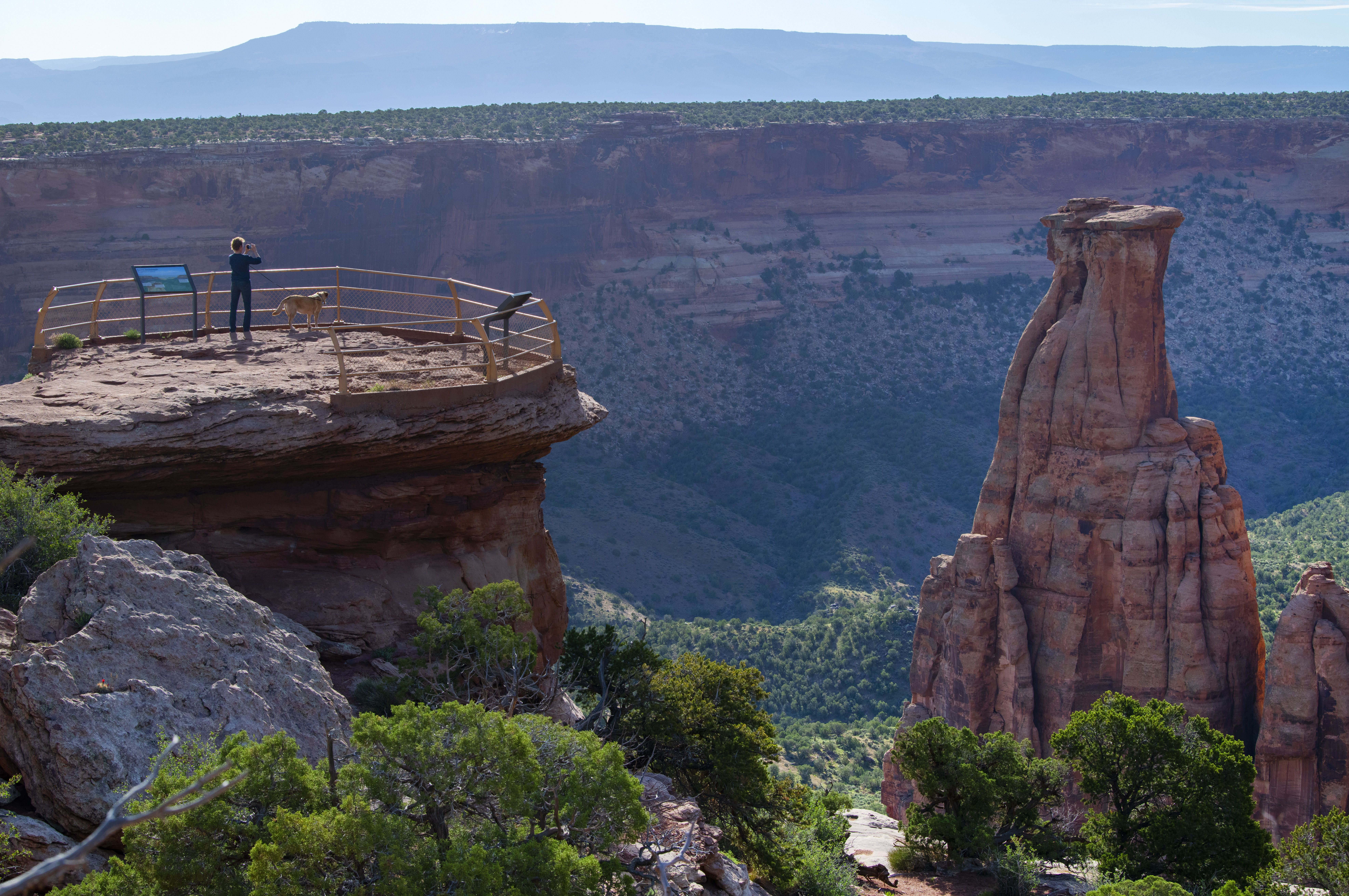
Monument Canyon Trail drops about 600 feet to the plateau floor and on to the most photographed formation around: Independence Monument. Ute Canyon Trail is a similarly long, rigorous descent into what John Otto, an early champion of the national monument, knew as “the heart of the world.”
For shorter hikes, rangers recommend the rock garden that is Devil’s Kitchen and the massive dome that is Liberty Cap. And for an unforgettable night under the stars, book a spot at Saddlehorn Campground, perched on a rim overlooking the valley.
Farther afield
Everyone knows about Arches National Park. Far fewer know about Rattlesnake Arches, considered the world’s second-largest concentration of arches.
Reaching the site requires either a certain level of driving know-how or hiking capability, along with a proper level of planning. Do your research on the rough, seasonal access road off Rim Rock Drive or the venture from the Pollock Bench trailhead. The roundtrip hike covers about 15 miles.
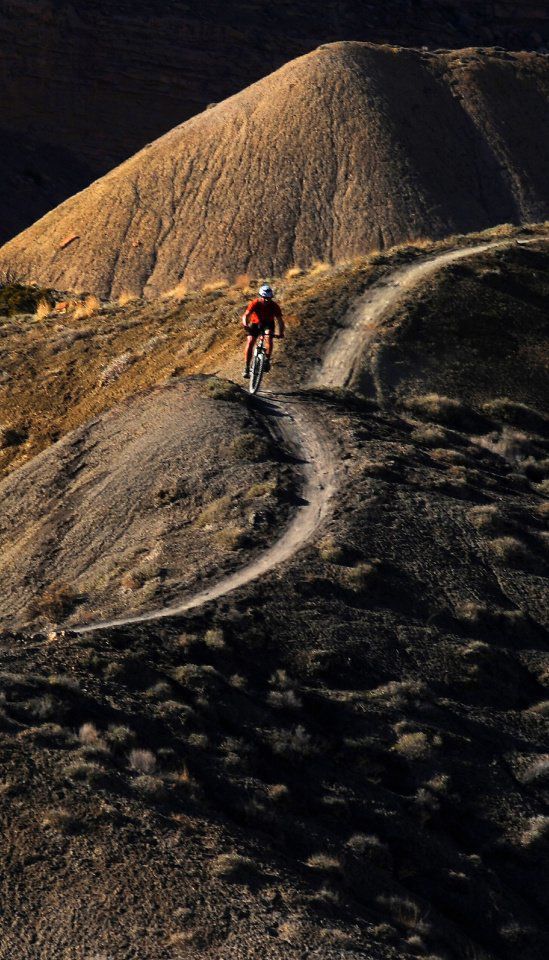
Rattlesnake Arches span a pocket of McInnis Canyons National Conservation Area, a sprawling playground for off-roaders, campers and mountain bikers of the Kokopelli trail system. This desert canyon country west of Fruita helped put the once-crumbling town on the international map for mountain biking. Most famous are the 18 Road trails.
More attention has come to the other side of the valley with the Palisade Plunge, descending 32 miles over 6,000 feet. A local shop that has become a hub for information and logistics, Palisade Cycle calls the trail “an epic point-to-point challenge, from the alpine aspen groves of the Grand Mesa to the desert shores of the Colorado River.”
But the plunge is not for all. For the uninitiated, sections have been recommended before the entire ride. Fall is the time to test the trail, after summer’s heat advisories and before the seasonal closure for wildlife starting Dec. 1.
Fall is prime time for adventure in western Colorado’s Grand Valley

When the temperatures drop, the appeal of far western Colorado rises.
While the summer heat might keep us away from the desert around Grand Junction, fall is a cool, refreshing invitation to that grand terrain. This is, indeed, the Grand Valley — known as a “land of plenty” for the plentiful fruit that grows here.
The harvest is winding down. But it’s prime time for plenty of adventure.
The Grand Mesa
For fall foliage, look no further than the flat top mountain known as the largest in the world. Golden aspen and multi-colored oak line the Grand Mesa Scenic Byway, roaming 63 miles over the mesa between Interstate 70 and Cedaredge.
The Grand Mesa is spotted by hundreds of lakes. The largest is Island Lake, a go-to for boaters and anglers. The trail to Mesa Lakes is family friendly, while Lost Lake offers more remote serenity.
Other quintessential hikes: the short trail to the Land of Lakes Overlook, and the longer Crag Crest Trail to more mesmerizing views. Mountain bikers in recent years have added Mesa Top Trail to their bucket list — a swooping drop from the mountain’s highest reaches above 10,000 feet.
Rugged roads off the paved byway lead to more destinations. That includes the Land’s End Observatory, aptly named for its place on the edge of the mountain.
The possibilities can span multiple days. Fortunately, the Grand Mesa is home to several campgrounds, with a variety of first-come, first-served and reservable sites.
Colorado National Monument
Between Grand Junction and Fruita is this geologic wonderland on par with legendary preserves farther west.
Yes, the Colorado Plateau that encompasses Arches, Canyonlands, Zion and Bryce Canyon national parks — not to mention the Grand Canyon — also encompasses Colorado National Monument. And yet visitation here does not compare with those other aforementioned parks.
Colorado National Monument “catches a lot of people by surprise,” a ranger once told us. “Many people will say, ‘I drive up Interstate 70 all the time, and this time we had to stop, and oh, my gosh, where has this been hiding the whole time?”
Hiding in plain sight off Rim Rock Drive, the 23-mile road that tours colorful spires, monoliths, canyons and cliffs. While spectacular from the road, the mosaic might be best appreciated by foot.
Monument Canyon Trail drops about 600 feet to the plateau floor and on to the most photographed formation around: Independence Monument. Ute Canyon Trail is a similarly long, rigorous descent into what John Otto, an early champion of the national monument, knew as “the heart of the world.”
For shorter hikes, rangers recommend the rock garden that is Devil’s Kitchen and the massive dome that is Liberty Cap. And for an unforgettable night under the stars, book a spot at Saddlehorn Campground, perched on a rim overlooking the valley.
Farther afield
Everyone knows about Arches National Park. Far fewer know about Rattlesnake Arches, considered the world’s second-largest concentration of arches.
Reaching the site requires either a certain level of driving know-how or hiking capability, along with a proper level of planning. Do your research on the rough, seasonal access road off Rim Rock Drive or the venture from the Pollock Bench trailhead. The roundtrip hike covers about 15 miles.
Rattlesnake Arches span a pocket of McInnis Canyons National Conservation Area, a sprawling playground for off-roaders, campers and mountain bikers of the Kokopelli trail system. This desert canyon country west of Fruita helped put the once-crumbling town on the international map for mountain biking. Most famous are the 18 Road trails.
More attention has come to the other side of the valley with the Palisade Plunge, descending 32 miles over 6,000 feet. A local shop that has become a hub for information and logistics, Palisade Cycle calls the trail “an epic point-to-point challenge, from the alpine aspen groves of the Grand Mesa to the desert shores of the Colorado River.”
But the plunge is not for all. For the uninitiated, sections have been recommended before the entire ride. Fall is the time to test the trail, after summer’s heat advisories and before the seasonal closure for wildlife starting Dec. 1.
Fall is prime time for adventure in western Colorado’s Grand Valley

When the temperatures drop, the appeal of far western Colorado rises.
While the summer heat might keep us away from the desert around Grand Junction, fall is a cool, refreshing invitation to that grand terrain. This is, indeed, the Grand Valley — known as a “land of plenty” for the plentiful fruit that grows here.
The harvest is winding down. But it’s prime time for plenty of adventure.
The Grand Mesa
For fall foliage, look no further than the flat top mountain known as the largest in the world. Golden aspen and multi-colored oak line the Grand Mesa Scenic Byway, roaming 63 miles over the mesa between Interstate 70 and Cedaredge.
The Grand Mesa is spotted by hundreds of lakes. The largest is Island Lake, a go-to for boaters and anglers. The trail to Mesa Lakes is family friendly, while Lost Lake offers more remote serenity.
Other quintessential hikes: the short trail to the Land of Lakes Overlook, and the longer Crag Crest Trail to more mesmerizing views. Mountain bikers in recent years have added Mesa Top Trail to their bucket list — a swooping drop from the mountain’s highest reaches above 10,000 feet.
Rugged roads off the paved byway lead to more destinations. That includes the Land’s End Observatory, aptly named for its place on the edge of the mountain.
The possibilities can span multiple days. Fortunately the Grand Mesa is home to several campgrounds, with a variety of first-come, first-served and reservable sites.
Colorado National Monument
Between Grand Junction and Fruita is this geologic wonderland on par with legendary preserves farther west.
Yes, the Colorado Plateau that encompasses Arches, Canyonlands, Zion and Bryce Canyon national parks — not to mention the Grand Canyon — also encompasses Colorado National Monument. And yet visitation here does not compare with those other aforementioned parks.
Colorado National Monument “catches a lot of people by surprise,” a ranger once told us. “Many people will say, ‘I drive up Interstate 70 all the time, and this time we had to stop, and oh, my gosh, where has this been hiding the whole time?”
Hiding in plain sight off Rim Rock Drive, the 23-mile road that tours colorful spires, monoliths, canyons and cliffs. While spectacular from the road, the mosaic might be best appreciated by foot.
Monument Canyon Trail drops about 600 feet to the plateau floor and on to the most photographed formation around: Independence Monument. Ute Canyon Trail is a similarly long, rigorous descent into what John Otto, an early champion of the national monument, knew as “the heart of the world.”
For shorter hikes, rangers recommend the rock garden that is Devil’s Kitchen and the massive dome that is Liberty Cap. And for an unforgettable night under the stars, book a spot at Saddlehorn Campground, perched atop a rim overlooking the valley.
Farther af
ield
Everyone knows about Arches National Park. Far fewer know about Rattlesnake Arches, considered the world’s second-largest concentration of arches.
Reaching the site requires either a certain level of driving know-how or hiking capability, along with a proper level of planning. Do your research on the rough, seasonal access road off Rim Rock Drive or the venture from the Pollock Bench trailhead. The roundtrip hike covers about 15 miles.
Rattlesnake Arches span a pocket of McInnis Canyons National Conservation Area, a sprawling playground for off-roaders, campers and mountain bikers of the Kokopelli trail system. This desert canyon country west of Fruita helped put the once-crumbling town on the international map for mountain biking. Most famous are the 18 Road trails.
More attention has come to the other side of the valley with the Palisade Plunge, descending 32 miles over 6,000 feet. A local shop that has become a hub for information and logistics, Palisade Cycle calls the trail “an epic point-to-point challenge, from the alpine aspen groves of the Grand Mesa to the desert shores of the Colorado River.”
But the plunge is not for all. For the uninitiated, sections have been recommended before the entire ride. Fall is the time to test the trail, after summer’s heat advisories and before the seasonal closure for wildlife starting Dec. 1.